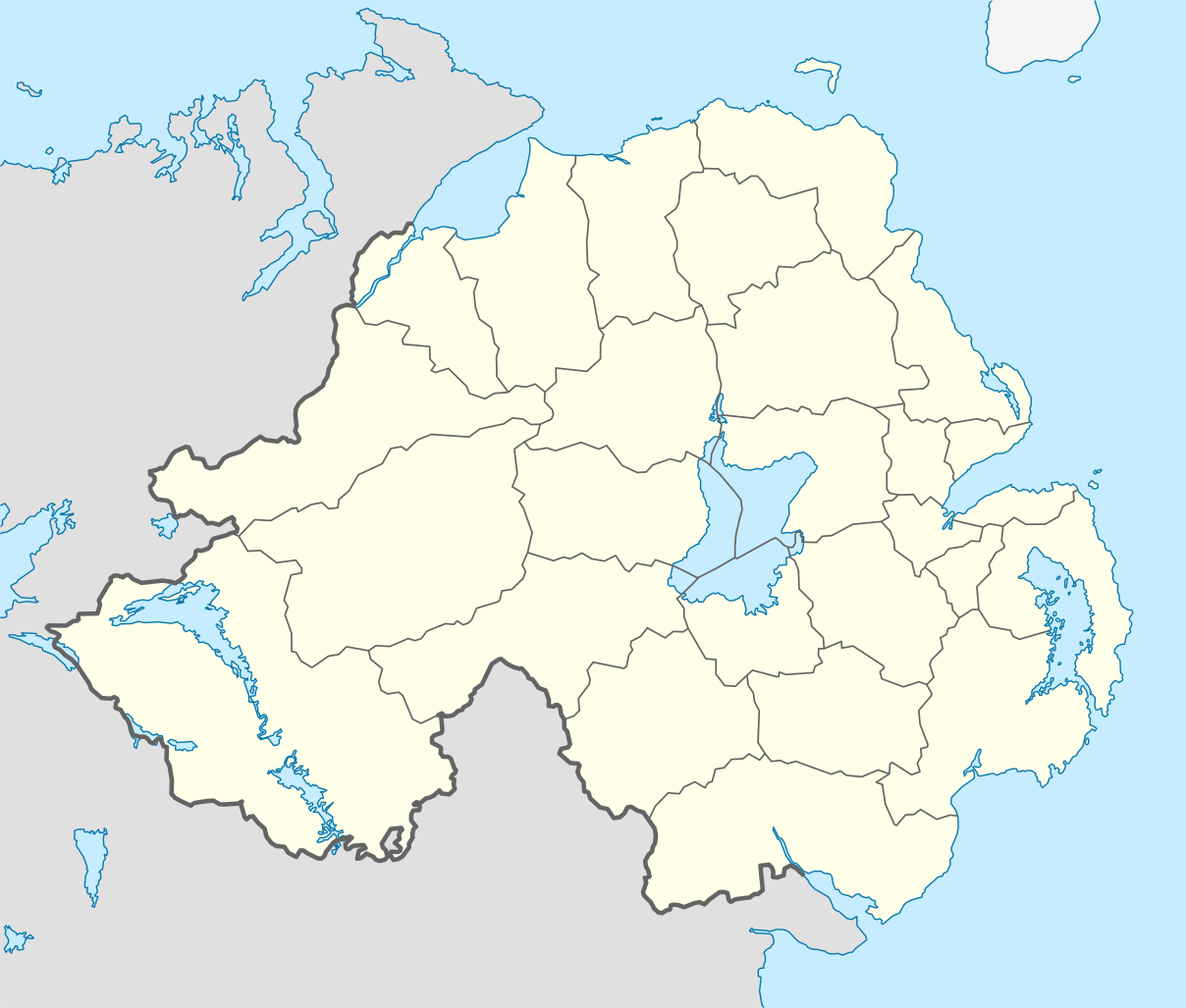

Short entry10.1 miles away
Gortmore Viewpoint
County Londonderry · Cliffs and coastal viewpoint
 the ai birderBirding near me
The AI Birder · one-page field sheet
Ballykelly, County Londonderry, Northern Ireland · BT49 9HU (public trail access) · BT49 9HU

Lapwing · Golden Plover
Public roadside lay-by views of Lough Foyle
Check current access, hide closures and operator notices before travelling. Seasonal birds are possibilities, not promised sightings. Keep to authorised routes and give wildlife space.
Opening and charges checked 2026-10-25. Operator: https://www.rspb.org.uk/days-out/reserves/lough-foyle
Full guide and current source links: https://aibirder.co.uk/reserves/rspb-lough-foyle
NI 02 · RSPB reserve guide
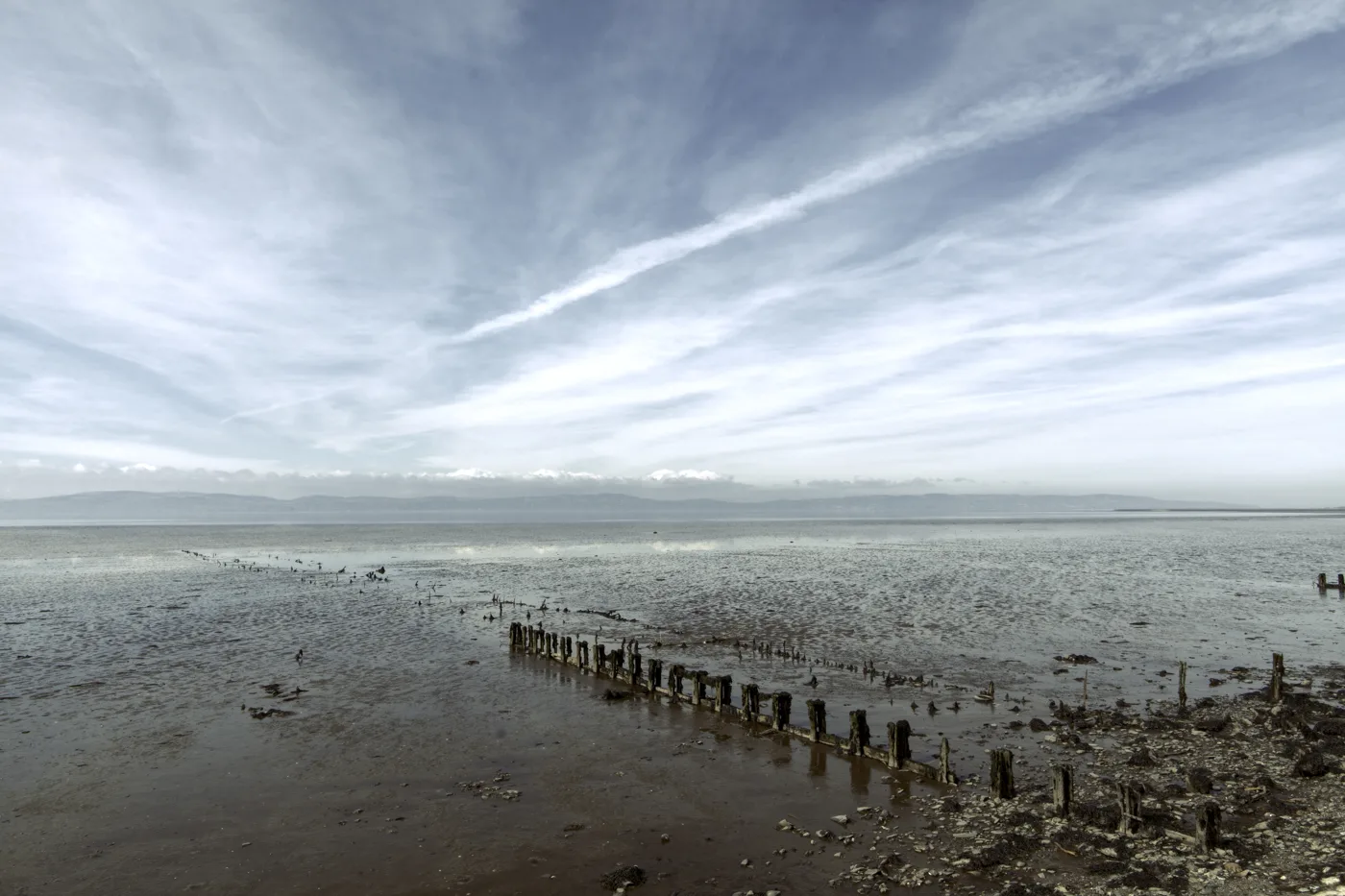
Ballykelly, County Londonderry, Northern Ireland · BT49 9HU (public trail access)
Whooper Swans, Pintails, Wigeons, Teals, Golden Plovers and Lapwings gather across the lough and fields, while Peregrines can send wader flocks wheeling above the shore.
Decide if the visit fits.
Last checked 18 October 2026.
Opening and charges information · checked .
Stay nearby →Reserve overview
Whooper Swans, Pintails, Wigeons, Teals, Golden Plovers and Lapwings gather across the lough and fields, while Peregrines can send wader flocks wheeling above the shore.
Eight checks for a smoother visit.
Conditions change: check the operator and transport notices before travelling.
January: Typically winter is the strongest reason to use the lawful roadside views. Scan the water for Wigeon, Teal and Pintail, then check visible fields for Whooper Swan. A scope is useful because moving closer across mud or farmland is not a safe or permitted substitute.
February: Choose a calm spell for the roadside lough view. Winter Brent Goose and Bar-tailed Godwit are established lough specialities; the designation evidence does not promise a flock in front of one particular lay-by. Let tide and visibility determine how long you watch.
March: Spring Lapwing display is described by the operator. Watch from the public roadside views without entering adjacent fields, and avoid treating the end of the winter period as a guarantee that Whooper Swans will remain. Check current regional observations before travelling for a particular bird.
April: Look for the operator's spring Lapwing from a safe roadside stopping place. This remains a broad, exposed landscape rather than a reserve with hides and a visitor circuit. Keep telescopes and people clear of the carriageway and avoid disturbing birds using neighbouring fields.
May: Lapwing is the operator's spring aim, but its exact seasonal progression varies. The public roadside view remains the lawful starting point; do not cross private farmland to follow displaying birds. Winter Wigeon and Teal lists should not be read as a May checklist.
June: This guide does not manufacture a summer wildfowl spectacle from winter designation records. Use the public roadside views for a general assessment; Lapwing is a spring rather than a guaranteed June target. Other reserves with managed paths may be a better choice for a long summer walk.
July: The main Whooper Swan and winter-wader plan belongs later in the year. A roadside watch can assess the lough, but no July target has been inferred from winter counts. Choose a safe legal stopping place and leave if heat haze or traffic makes viewing impractical.
August: Use any visit as a broad lough watch from lawful roadside lay-bys. Bar-tailed Godwit and Dunlin are established winter birds here; their presence on a particular August day needs a current report. No unofficial mudflat crossing or roost approach is part of this guide.
September: The operator describes autumn arrivals including Whooper Swan, but their timing changes each year. The public roadside view lets you assess both lough and fields. Wait for actual reports before planning a species-specific journey rather than assuming the winter assemblage is already complete.
October: Golden Plover, Lapwing and arriving Whooper Swan make the autumn roadside watch more purposeful. Compare the visible fields with the water from the same lawful stopping area. Avoid blocking farm entrances or walking towards a distant flock for a closer view.
November: Typically winter duck and wader watching becomes the strongest plan. Use the public roadside view for Wigeon, Teal and Pintail, then scan exposed flats for established Dunlin, Curlew and Redshank. Falling water usually reveals feeding ground, but it never makes the flats a visitor route.
December: A calm daylight spell favours the roadside views for winter swans, ducks and waders. Watch Whooper Swan and Lapwing from a distance, with a scope for Bar-tailed Godwit on the flats. Do not approach high-water resting birds or assume a published tide height guarantees viewing conditions.
Best conditions: Typically calm, clear weather is best for the long open-water view and distant waders. Use a scope and a lawful stopping place with the sun behind or to one side where road safety allows. Strong wind and haze can defeat identification; no hide or shelter is available.
Lough Foyle suits a patient roadside watch rather than a conventional reserve circuit. Decide first whether you want distant wildfowl on open water, feeding birds on exposed flats or a careful scan of the surrounding fields. The operator provides no managed trail, hide, formal viewpoint or car park, so a visit depends on finding a lawful, safe place to stop without blocking local traffic or farm access. A telescope adds more value here than attempting to walk closer. Winter is the stronger season in the verified evidence, while summer expectations remain deliberately modest. Use the designation map to understand the protected lough, not as permission to enter its shore. Wind, glare and the state of the tide can change what is visible from the road. Leave a resting flock undisturbed and choose another stopping place only where public access and road safety permit it.
Access times: Reserve: Open 24 hours according to the RSPB calendar; public-road safety and lawful access still apply. · Hides: No visitor hides or formal viewpoints provided by RSPB. · Car park: No RSPB car park. Roadside lay-bys are not a guaranteed parking space or a separate 24-hour facility. · Dawn access: yes. Operator opening information.
The RSPB offers no managed walking trail, hide or formal viewing platform here. Build a visit around public roadside views across the lough rather than expecting a circuit between named hides. The council tourism service separately promotes the Lough Foyle Trail from Station Road, Ballykelly. That public shore route is a different proposition from an RSPB-managed visitor trail; use its own access information and local signs when deciding whether to add a walk. Two-hour plan: choose one legal shore stopping place and spend the first twenty minutes learning the shape of the view. Separate open water, exposed mud and fields before making a species list. Give the next forty minutes to ducks and waders, working systematically across the view with binoculars or a telescope. Check the landward fields for swans, plovers and Lapwings, then revisit the original feeding patch. A final comparison often reveals movement missed while looking elsewhere. Leave time to put equipment away safely before joining traffic. Full-day plan: begin with a morning lough watch, using the clearest available light to establish the main flocks. Take a break in Ballykelly and, if the council trail's current condition and your mobility suit, add a section of that public route. Return to a lawful shore viewpoint later to see how changing tide height has redistributed the birds. Autumn and winter visitors can reserve the last useful daylight for swan movement. This is an editorial birding plan, with time allocated to observation rather than an official timed walk. Keep out of intertidal mud and drainage channels. Birds feeding far out are best watched with better optics, not followed across the foreshore. Avoid approaching resting flocks or entering agricultural fields; the open landscape gives birds a long view of anyone advancing towards them.
Use the linked reserve map and directions with current access notices. Species are typical seasonal targets. Light and telescope advice reflects our choice of viewpoint.
Intertidal flats, open lough and adjacent fields visible from lawful roadside stopping places
No RSPB car park, managed trail, hide or formal viewpoint. Use lawful lay-bys without blocking roads or field access.
Winter: Whooper Swan, Wigeon, Teal, Pintail, Brent Goose, Bar-tailed Godwit, Oystercatcher, Dunlin, Curlew, Redshank
Spring: Lapwing
Autumn: Whooper Swan, Golden Plover, Lapwing
Light: either. Scope: essential.
Tide: Typically exposed mud on a falling tide offers feeding views. Stay off flats and leave high-water resting birds undisturbed.
| Spot | Overlooks | Key species by season | Best light | Scope | Tide |
|---|---|---|---|---|---|
| Public roadside lay-by views of Lough FoyleNo RSPB car park, managed trail, hide or formal viewpoint. Use lawful lay-bys without blocking roads or field access. | Intertidal flats, open lough and adjacent fields visible from lawful roadside stopping places | Winter: Whooper Swan, Wigeon, Teal, Pintail, Brent Goose, Bar-tailed Godwit, Oystercatcher, Dunlin, Curlew, Redshank Spring: Lapwing Autumn: Whooper Swan, Golden Plover, Lapwing | either | essential | Typically exposed mud on a falling tide offers feeding views. Stay off flats and leave high-water resting birds undisturbed. |
Month chips show typical presence or our preferred viewing season. Choose birds that suit the time of your visit.
Typically compare exposed feeding flats on a falling tide with the retreat of water. No operator minimum height or fixed arrival interval verified; never walk onto mudflats or approach resting birds.
The RSPB does not identify a managed wheelchair- or pushchair-accessible route at Lough Foyle. Roadside observation may offer a useful short visit for someone who finds walking difficult, but each stopping place needs individual assessment. Consider the space needed to open a passenger door, transfer equipment and turn a mobility aid without entering the carriageway. A vehicle window can provide a workable observation position where the view and lawful parking align. No accessible toilet is provided on the reserve. Plan personal-care needs around facilities away from the shore, and establish their opening arrangements before travelling. The lack of a surfaced visitor circuit means that a general description of flat coastal ground should not be read as an assurance of easy rolling access. For anyone who needs a predictable route, contact the RSPB about the intended public access point and explain the equipment involved. Ask about the specific surface, any barriers and the space available at that point. An accompanying person can help with optics and roadside awareness, but cannot make an unsuitable stopping place safe. Choose a shorter vehicle-based watch if getting out would require stepping into traffic.
There is no staffed visitor centre, café, shop or shelter. The RSPB identifies Ballykelly, around one mile away, as the nearest place for food and drink, and Derry/Londonderry, eight miles away, for public toilets. Bring water, a snack and clothing suited to a stationary coastal watch. Secure tripod legs and loose covers in gusty weather, and take all litter home. Barbecues are prohibited because of fire risk to people and habitats.
Assistance dogs and other dogs under control are welcome. Keep them away from feeding or resting birds and neighbouring livestock, and use a short lead where needed to maintain control beside roads. The reserve has no RSPB dog-walking trail; choose an appropriate public route and follow its signs.
Translink's published 143/144/152 timetable lists Ballykelly Main Street on the Derry/Londonderry–Limavady corridor, including route 144. Use the journey planner for the actual date because weekday, Saturday and Sunday columns differ. From the village, the RSPB places its nearest bus stop about one mile from the reserve. Arrange a taxi for the final connection if carrying a telescope or if a roadside walk would be unsuitable. The RSPB identifies Derry/Londonderry as the nearest railway station, about eight miles away. Rail passengers can continue by a booked taxi or connect with the appropriate Ballykelly bus departure; include the transfer between railway and bus departure points when planning the day. Reserve a realistic margin for the return, especially after an evening swan watch. Drivers approach on minor roads off the A2 between Limavady and Derry/Londonderry. The operator places National Cycle Network Route 93 four miles from the reserve. Rural road conditions and the final access point determine whether cycling or walking the remaining section is sensible for your group.
Useful bases for an early start.
Booking.com links are affiliate links: we may earn a commission at no extra cost to you. How these links work.
About 1.7 miles by road, roughly 8 minutes’ drive from the mapped town-centre point to the public access point. OpenStreetMap estimate for Ballykelly, measured 18 October 2026. For the Ballykelly journey linked to RSPB Lough Foyle, leave additional time for traffic and reaching your precise accommodation address.
Measured driving route · 2026-10-18. Map estimates exclude live traffic.
The closest village base for a shore watch.Find places to stay in Ballykelly on Booking.comAbout 4.7 miles by road, roughly 13 minutes’ drive from the mapped town-centre point to the public access point. OpenStreetMap estimate for Limavady, measured 18 October 2026. For the Limavady journey linked to RSPB Lough Foyle, leave additional time for traffic and reaching your precise accommodation address.
Measured driving route · 2026-10-18. Map estimates exclude live traffic.
Combining the lough with the Roe Valley.Find places to stay in Limavady on Booking.comAbout 15.6 miles by road, roughly 30 minutes’ drive from the mapped town-centre point to the public access point. OpenStreetMap estimate for Derry, measured 18 October 2026. For the Derry journey linked to RSPB Lough Foyle, leave additional time for traffic and reaching your precise accommodation address.
Measured driving route · 2026-10-18. Map estimates exclude live traffic.
Rail arrivals and a city stay.Find places to stay in Derry on Booking.comExplore County Londonderry’s full guides and smaller birding sites
RSPB Northern Ireland lists Gareth.Bareham@rspb.org.uk and 028 9049 1547 for Lough Foyle. The Belfast headquarters address on its location page is a postal contact, not the shore destination. For a visit, use the Ballykelly public access description and linked map. Explain which part of the lough you intend to watch when requesting advice. The main reserve page is the official source for visitor information and seasonal context; a report from elsewhere around this large lough may describe a very different viewing location.
Check RSPB Belfast regional trip: Foyle mouth, March 2023 archive. historical trip observation: 18 March 2023 Reports show what has been seen, not what will be.
Follow the BTO Birders’ Code and give wildlife space.
RSPB Lough Foyle: Free adult and child entry; separate parking price not published.
RSPB Lough Foyle: Assistance dogs and other dogs under control are welcome.
RSPB Lough Foyle: Autumn–early spring · passage and winter wildfowl.
RSPB Lough Foyle: The RSPB does not identify a managed wheelchair- or pushchair-accessible route at Lough Foyle.
RSPB Lough Foyle: Translink's published 143/144/152 timetable lists Ballykelly Main Street on the Derry/Londonderry–Limavady corridor, including route 144.
Shorter stops within 15 miles in a straight line. Use the operator’s arrival directions for the journey.
County Londonderry · Cliffs and coastal viewpoint
County Londonderry · Coast and dune foreland
County Londonderry · Coast and beach
County Londonderry · Ancient woodland and river glen
Nearby complete guides.
Stops with a purpose: use one as a contrasting habitat or weather-proof Plan B. Distances are straight-line estimates, not road journeys.