

EN 53 · RSPB reserve guide
RSPB Lodmoor
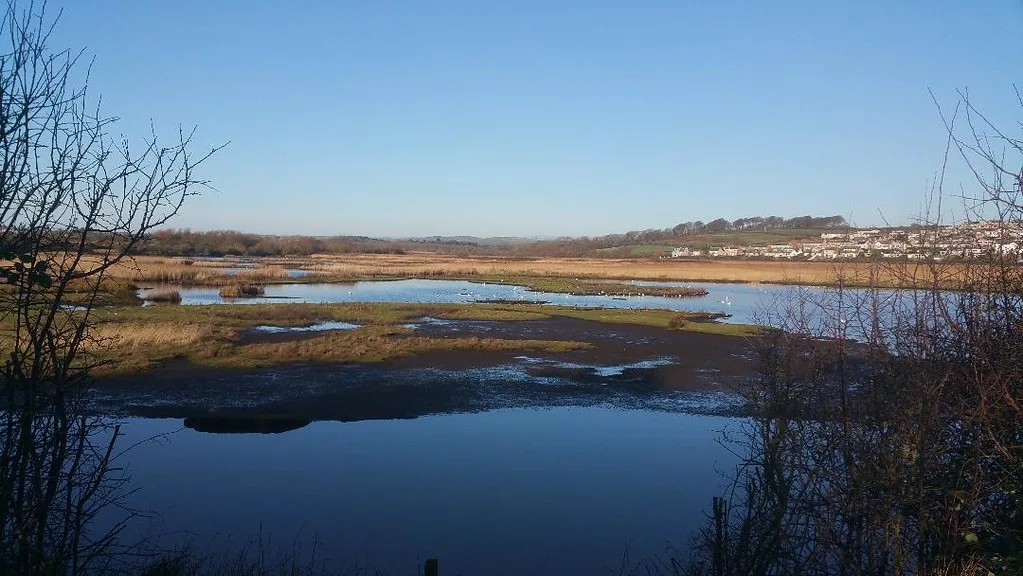
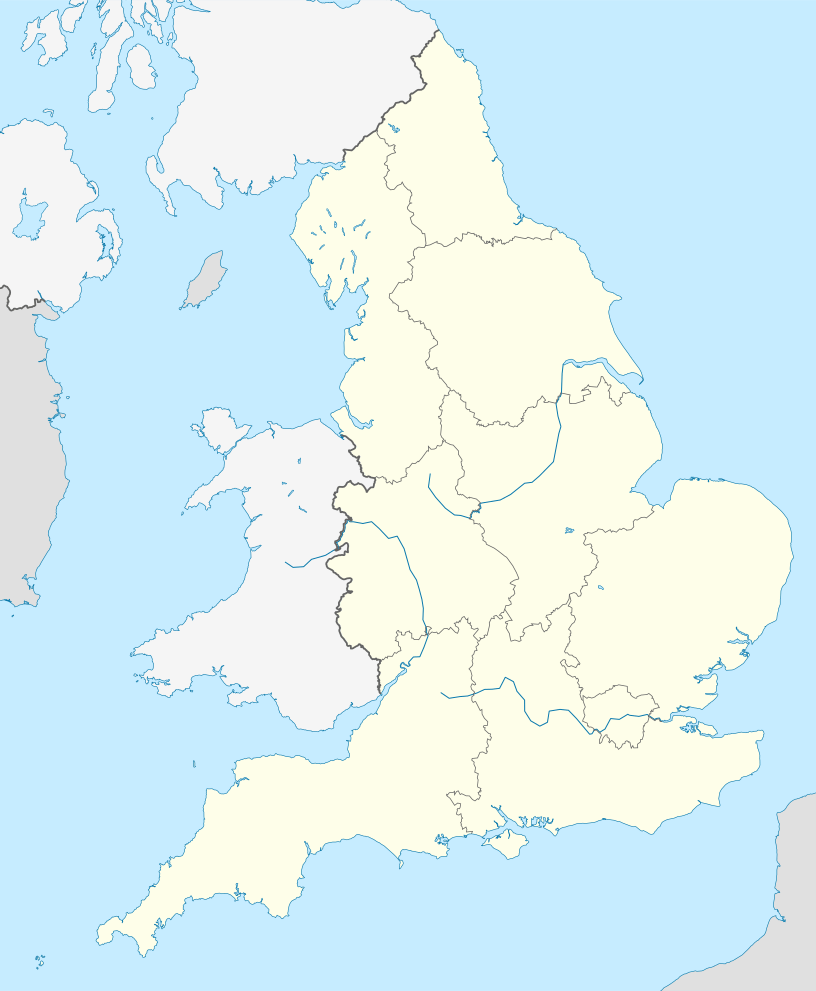
Weymouth, Dorset, England · DT3 6HS
Common tern, Black-tailed godwit, Bearded tit
Decide if the visit fits.
RSPB Lodmoor at a glance
Last checked 18 October 2026.
- Open
- Reserve dawn–dusk; council car park 7am–midnight, with separate park gates.More about open
- Price / parking
- Free entry; council parking from £1.70/30min Apr–Oct or £1 Nov–Mar; evening parking free 6pm–8am.More about price / parking
- Best time
- Winter wildfowl and waders · spring and summer wetland birdsMore about best time
- Dogs
- Dogs are allowed on the designated dog-friendly trails, kept on…More about dogs
- Toilets
- The RSPB identifies public toilets at Overcombe Corner and food…More about toilets
- Step-free
- The Marsh Trail is broadly level, with loose crushed stone and c…More about step-free
Opening and charges information · checked .
Stay nearby →On this page
Reserve overview
Lodmoor reserve and habitat
Common tern, Black-tailed godwit, Bearded tit
Eight checks for a smoother visit.
Planning your visit to Lodmoor
Conditions change: check the operator and transport notices before travelling.
Lodmoor best time to visit and seasonal birds
January: usually begin with Black-tailed Godwit at Main viewing screen. Compare feeding actions across the open-water margins without approaching a settled flock for a photograph. Keep to the public route, watching settled birds without moving closer through the surrounding wetland. February: usually begin with Snipe at Marsh Trail sheltered viewpoint. A telescope is useful across the broad marsh, but use the named public shelter rather than standing on closed wet ground. Keep to the public route, watching settled birds without moving closer through the surrounding wetland. March: usually begin with Cetti’s Warbler at Reedbed Trail public path. Birds often remain hidden despite loud song; listen from the path and leave vegetation and breeding areas undisturbed. Keep to the public route, watching settled birds without moving closer through the surrounding wetland. April: usually begin with Common Tern at Main viewing screen. Arrival varies with spring conditions. The official screen gives a public watch without any approach to the islands. Keep to the public route, watching settled birds without moving closer through the surrounding wetland. May: usually begin with Common Tern at Main viewing screen. Enjoy feeding flights and interactions through the screen; a visible colony is not an invitation to get closer. Keep to the public route, watching settled birds without moving closer through the surrounding wetland. June: usually begin with Bearded Tit at Reedbed Trail public path. Calmer weather makes calls and movements easier to follow, so a quiet pause can be better than a fast circuit. Keep to the public route, watching settled birds without moving closer through the surrounding wetland. July: usually begin with Little Egret at Main viewing screen. An open-pool watch adds a different perspective after listening along the reeds; avoid blocking screen windows for other visitors. Keep to the public route, watching settled birds without moving closer through the surrounding wetland. August: usually begin with Grey Heron at Overcombe Trail public path. The eastern route is less uniformly surfaced than Marsh Trail. Assess muddy ground before committing to a full loop. Keep to the public route, watching settled birds without moving closer through the surrounding wetland. September: usually begin with Black-tailed Godwit at Main viewing screen. Passage numbers vary daily with water and weather; use dated reports to choose a view rather than promising a flock. Keep to the public route, watching settled birds without moving closer through the surrounding wetland. Great White Egret is now a recurring autumn target from the public marsh viewpoints: the county records several separate September 2026 dates, with no need to follow a bird into the pools. October: usually begin with Golden Plover at Marsh Trail sheltered viewpoint. The actual 13 October 2026 group report confirms autumn use of the marsh, not a repeatable count or a guaranteed spectacle. Keep to the public route, watching settled birds without moving closer through the surrounding wetland. Scan from the Marsh Trail sheltered viewpoint for Great White Egret. Separate county dates through October 2026 and the RSPB group’s13 October watch support regular seasonal use rather than one exceptional sighting. November: usually begin with Wigeon at Marsh Trail sheltered viewpoint. Fit the return to dawn–dusk access and distinguish reserve paths from the council country park’s seasonal vehicle gates. Keep to the public route, watching settled birds without moving closer through the surrounding wetland. December: usually begin with Dunlin at Main viewing screen. Shorter daylight favours a compact screen session, with warm clothing for an exposed stationary watch over the pools. Keep to the public route, watching settled birds without moving closer through the surrounding wetland.
Best conditions: Usually choose calm weather for Bearded Tit calls and a clear day for distant waders. Lodmoor’s exposed open pools can be uncomfortable in wind, while the reed-side route gives a different listening focus. Use only maintained paths and the official screen/viewpoint. The operator installed water-control infrastructure in 2025; no tide height is claimed to determine pool levels or guarantee a tern or wader view.
Lodmoor opening times, entry and facilities
Admission checked 18 October 2026: the RSPB charges page lists free entry for adults and children, including non-members. Ordinary visits do not need an admission booking, while guided activities and groups have their own arrangements. There is no RSPB car park. Dorset Council's Lodmoor car park is a convenient western approach, with charges applying 8 am–6 pm. The car tariff checked in 2026 is £1.70/£3.20/£4.80/£6.30/£7.90/£15.80 for thirty minutes/one/two/three/four/ten hours from April to October. For November–March the corresponding amounts are £1/£1.70/£2.50/£3.50/£5.60/£9.50. Evening car parking is free from 6 pm–8 am, with payment-service fees possible. The council separately lists car-park hours of 7 am–midnight and earlier seasonal locking for the country park's gates; distinguish the vehicle area from the park itself. Read current signs and reserve notices before setting off, particularly if an early or late visit matters.
Access times: Reserve: RSPB 19 October 2026 calendar: dawn–dusk. · Hides: No enclosed hide network or staffed visitor centre. Outdoor public screen/viewpoints within reserve access; no separate lock timetable published. · Car park: No RSPB carpark. Dorset Council parking has separate rules and gate arrangements; existing guide retains checked 2026 charges. Country Park gates differ from vehicle parking areas. · Dawn access: partly. Operator opening information.
Lodmoor trails, hides and visit length
Three named routes give Lodmoor its flexibility: Marsh Trail, Reedbed Trail and Overcombe Trail. The RSPB describes signposted options starting at 250m that can be combined into a longer circular visit. Choose the approach that brings you to the most useful viewing place for your priority, rather than assuming the nearest car park serves every route equally well. The main viewing screen is the operator's recommended place for close study of the wetland and common tern colony. The Marsh Trail follows the open-water side, while the Reedbed Trail offers a different perspective on vegetation and calling birds. Overcombe provides an approach from the eastern end. These are outdoor watching routes rather than a circuit of enclosed hides. A small folding seat may help some visitors, but it should never block a narrow path or another person's view. At an occupied screen, arrive quietly and keep conversation low enough for other people to hear birds. Two-hour plan, editorial suggestion: start with a sustained watch at the Marsh Trail screen, then walk part of the Reedbed Trail before returning. Divide the time between distant scanning and a closer examination of reed edges. Watch feeding movements and interactions within a flock; they often reveal more than a rapid count followed by another photograph. Full-day plan, editorial suggestion: visit Radipole Lake first for the Discovery Centre and a reedbed circuit, then devote the afternoon to Lodmoor's open pools and screen. This Weymouth pair works well when you want contrasting wetland views without a long road journey between reserves. Alternatively, stay at Lodmoor throughout the day and link the permitted trail sections at a gentle pace, returning to the screen as light changes. Keep lunch and transport flexible enough to extend a particularly productive watch, while leaving the reserve within its daylight opening period.
Where to watch at Lodmoor
Use the linked reserve map and directions with current access notices. Species are typical seasonal targets. Light and telescope advice reflects our choice of viewpoint.
Main viewing screenWinter · Spring · Summer · Autumn
Open pools, mud margins and managed tern area
Public screen, not an enclosed hide; no entry to islands or nesting ground.
Winter: Black-tailed Godwit, Dunlin, Lapwing, Marsh Harrier
Spring: Black-tailed Godwit, Common Tern, Marsh Harrier
Summer: Common Tern, Little Egret, Marsh Harrier
Autumn: Black-tailed Godwit, Dunlin, Teal, Marsh Harrier
Light: either. Scope: essential.
Marsh Trail sheltered viewpointWinter · Spring · Summer · Autumn
Marsh pools, wet grassland and saltmarsh
Facilities describe sheltered viewpoint on grassy track 170 m along Marsh Trail; narrow sections/barriers on approach.
Winter: Snipe, Wigeon, Lapwing
Spring: Gadwall, Lapwing
Summer: Grey Heron, Mallard
Autumn: Snipe, Wigeon, Golden Plover, Great White Egret
Light: either. Scope: essential.
Reedbed Trail public pathWinter · Spring · Summer · Autumn
Reeds, channels and scrub beside public trail
Improved gravel/crushed stone with narrow sections and benches; do not enter reeds.
Winter: Bearded Tit, Cetti's Warbler, Bittern
Spring: Bearded Tit, Cetti's Warbler, Bittern
Summer: Reed Bunting, Bearded Tit, Bittern
Autumn: Reed Bunting, Cetti's Warbler, Bittern
Light: either. Scope: useful.
Overcombe Trail public pathWinter · Spring · Summer · Autumn
Eastern wetland pools and reed-edge public views
Eastern approach from Heron Close, uneven grass and narrow track;1:5 slope with steps alongside and barrier.
Winter: Gadwall, Mallard, Coot, Kingfisher
Spring: Grey Heron, Little Egret
Summer: Swallow, Little Egret
Autumn: Gadwall, Teal, Mediterranean Gull
Light: either. Scope: useful.
| Spot | Overlooks | Key species by season | Best light | Scope | Tide |
|---|---|---|---|---|---|
| Main viewing screenPublic screen, not an enclosed hide; no entry to islands or nesting ground. | Open pools, mud margins and managed tern area | Winter: Black-tailed Godwit, Dunlin, Lapwing, Marsh Harrier Spring: Black-tailed Godwit, Common Tern, Marsh Harrier Summer: Common Tern, Little Egret, Marsh Harrier Autumn: Black-tailed Godwit, Dunlin, Teal, Marsh Harrier | either | essential | — |
| Marsh Trail sheltered viewpointFacilities describe sheltered viewpoint on grassy track 170 m along Marsh Trail; narrow sections/barriers on approach. | Marsh pools, wet grassland and saltmarsh | Winter: Snipe, Wigeon, Lapwing Spring: Gadwall, Lapwing Summer: Grey Heron, Mallard Autumn: Snipe, Wigeon, Golden Plover, Great White Egret | either | essential | — |
| Reedbed Trail public pathImproved gravel/crushed stone with narrow sections and benches; do not enter reeds. | Reeds, channels and scrub beside public trail | Winter: Bearded Tit, Cetti's Warbler, Bittern Spring: Bearded Tit, Cetti's Warbler, Bittern Summer: Reed Bunting, Bearded Tit, Bittern Autumn: Reed Bunting, Cetti's Warbler, Bittern | either | useful | — |
| Overcombe Trail public pathEastern approach from Heron Close, uneven grass and narrow track;1:5 slope with steps alongside and barrier. | Eastern wetland pools and reed-edge public views | Winter: Gadwall, Mallard, Coot, Kingfisher Spring: Grey Heron, Little Egret Summer: Swallow, Little Egret Autumn: Gadwall, Teal, Mediterranean Gull | either | useful | — |
Target species at Lodmoor
Month chips show typical presence or our preferred viewing season. Choose birds that suit the time of your visit.
Headline birds
- AprMayJunJulAug
- JanFebMarAprAugSepOctNovDec
- JanFebMarAprMayJunJulAugSepOctNovDec
- JanFebMarAprMayJunJulAugSepOctNovDec
Regular birds
- JanFebMarOctNovDec
- JanFebMarAprMayJunJulAugSepOctNovDec
- Cetti's WarblerReedbed Trail public pathReedbed Trail public pathJanFebMarAprMayJunJulAugSepOctNovDec
- JanFebMarAprMayJunJulAugSepOctNovDec
- JanFebMarAprMayJunJulAugSepOctNovDec
- JanFebMarAprMayJunJulAugSepOctNovDec
- JanFebMarAprMayJunJulAugSepOctNovDec
- JanFebMarAprMayJunJulAugSepOctNovDec
- JanFebMarAprMayJunJulAugSepOctNovDec
- Mediterranean GullOvercombe Trail public pathOvercombe Trail public pathJanFebMarAprMayJunJulAugSepOctNovDec
- JanFebMarOctNovDec
- JanFebMarOctNovDec
- JanFebMarOctNovDec
- JanFebMarOctNovDec
- JanFebMarAprMayJunJulAugSepOctNovDec
- AprMayJunJulAugSep
- JanFebMarAprMayJunJulAugSepOctNovDec
Scarce but regular birds
- SepOct
Tide planning
Use nearby Chesil Cove predictions only for wider coastal context, not as a model of managed Lodmoor pool levels. Watch from public trails and the official screen at suitable daylight; no tidal crossing or operator-published minimum height is involved.
Lodmoor accessibility and step-free routes
The Marsh Trail is broadly level, with loose crushed stone and concrete slabs, but it narrows to about one metre. Staggered barriers at either end have an opening of approximately 1.05m. A sheltered viewpoint lies along a grassy track, so the last approach may differ from the main surfaced route. The Reedbed Trail combines improved gravel and crushed stone, narrowing in places and also including a staggered barrier. Benches are available on these two trails. Overcombe Trail needs separate consideration. The RSPB describes grassy and crushed-stone sections as narrow as half a metre, uneven places, and a one-in-five slope over five metres with adjacent steps. It should not be assumed equivalent to the more level routes simply because all three are signposted. Lodmoor Country Park car park provides fifteen Blue Badge spaces. There is no accessible toilet within the reserve; discuss suitable nearby provision before travelling if it is essential. Give the Weymouth team your chair or scooter width and intended entrance when asking about barriers, turning space and current surfaces. An achievable short watch from one suitable viewpoint is preferable to discovering a restrictive section halfway through a planned circuit.
Lodmoor visitor facilities
Lodmoor has benches for picnic breaks but no visitor centre, café or shop within the reserve. The RSPB identifies public toilets at Overcombe Corner and food and drink near that end, so bring your own supplies if these options would not fit your route. The reserve is unstaffed; nearby Radipole's Discovery Centre is the contact point for visitor questions. A windproof layer is useful when standing at a screen, and a waterproof cover will help protect optics between showers on the exposed paths.
Lodmoor dog rules
Dogs are allowed on the designated dog-friendly trails, kept on a lead. Follow the signed routes and carry waste away for disposal. Visitors with assistance dogs are welcome at RSPB Lodmoor, including throughout its visitor routes. The birdwatching screen and narrow approaches are shared spaces, so keep a companion animal close and avoid obstructing other visitors.
Lodmoor public transport and getting there
First Bus route 4 links Weymouth and Preston via Overcombe, providing the useful local bus approach to Lodmoor. The current timetable is valid from 20 September 2026; select your travel day and the appropriate stop near Lodmoor Country Park or Overcombe rather than assuming every journey has identical timings. Weymouth railway station is around a mile from the reserve according to the RSPB, allowing a walking approach or an onward local connection. For a two-reserve day, Radipole lies close to the railway station, so it is a practical first stop before continuing towards Lodmoor. The RSPB identifies National Cycle Network route 26 here as well; use the appropriate cycle route and walk reserve paths where required. Arrange a taxi in advance if a longer pedestrian transfer would consume the watching time you want. Drivers can choose Lodmoor Country Park on the west side or the council's Heron Close/Overcombe approach to the east. Give a pickup driver the exact entrance, since naming the reserve alone can send them to a different side.
Useful bases for an early start.
Where to stay near Lodmoor
Booking.com links are affiliate links: we may earn a commission at no extra cost to you. How these links work.
- 01
Weymouth
About 1.6 miles by road, roughly 4 minutes' drive (OSRM estimate, measured 18 October 2026; not live traffic).
Measured driving route · 18 October 2026. Map estimates exclude live traffic.
The closest town base for visiting both Radipole and Lodmoor.Find places to stay in Weymouth on Booking.com - 02
Dorchester
About 7.5 miles by road, roughly 14 minutes' drive (OSRM estimate, measured 18 October 2026; not live traffic).
Measured driving route · 18 October 2026. Map estimates exclude live traffic.
An inland town base for a wider Dorset itinerary.Find places to stay in Dorchester on Booking.com - 03
Portland
About 7.4 miles by road, roughly 18 minutes' drive (OSRM estimate, measured 18 October 2026; not live traffic).
Measured driving route · 18 October 2026. Map estimates exclude live traffic.
A coastal birdwatching base for pairing Weymouth wetlands with sea watching.Find places to stay in Portland on Booking.com
Explore Dorset’s full guides and smaller birding sites
Lodmoor official sightings, safety and contact
The Weymouth reserves team uses weymouth.reserves@rspb.org.uk and 01929 553360. Lodmoor's published address is Weymouth, Dorset, DT3 6HS. Mention which trail or entrance you intend to use when discussing an access question, and contact the team before bringing a group. The operator's facilities page also gives weymouth@rspb.org.uk for educational and group enquiries. Radipole Lake's Discovery Centre supports visitors to both reserves and makes a useful starting point for a combined day.
Lodmoor recent bird sightings
Check RSPB South Dorset actual 13 October 2026 Lodmoor visit. individual dated outing, updated 17 October 2026; not a daily reserve feed Reports show what has been seen, not what will be.
- RSPB South Dorset actual 13 October 2026 Lodmoor visitoperator · updated individual dated outing, updated 17 October 2026; not a daily reserve feed
- Dorset Birds actual county observationscounty club or recorder · updated frequent dated regional posts; October 2026 reviewed
Birding sources
- RSPB current regular birds and seasonal common-tern view
- RSPB screen, sheltered viewpoint and three named trails
- RSPB actual 13 October 2026 Lodmoor observations
- Dorset Birds actual October 2026 county records
- RSPB 16 December 2025 continuing management and visitor changes
- RSPB official entrance map
- RSPB 19 October 2026 calendar
- UKHO EasyTide named prediction station
- Task57 checked operator/county evidence: Repeated on-reserve records September13/14/23/24/30 and October1/9/11/13 in 2026,
Follow the BTO Birders’ Code and give wildlife space.
Questions visitors ask
Is RSPB Lodmoor free to visit?
RSPB Lodmoor: Free entry; council parking from £1.70/30min Apr–Oct or £1 Nov–Mar; evening parking free 6pm–8am.
Can I take my dog to RSPB Lodmoor?
RSPB Lodmoor: Dogs are allowed on the designated dog-friendly trails, kept on a lead.
When is the best time to visit RSPB Lodmoor?
RSPB Lodmoor: Winter wildfowl and waders · spring and summer wetland birds.
Is RSPB Lodmoor accessible for wheelchairs?
RSPB Lodmoor: The Marsh Trail is broadly level, with loose crushed stone and concrete slabs, but it narrows to about one metre.
How do I get to RSPB Lodmoor without a car?
RSPB Lodmoor: First Bus route 4 links Weymouth and Preston via Overcombe, providing the useful local bus approach to Lodmoor.
Best months for this reserve
Nearby complete guides.
Bird reserves near Lodmoor
Stops with a purpose: use one as a contrasting habitat or weather-proof Plan B. Distances are straight-line estimates, not road journeys.
- About 1 miles away · A familiar habitatRSPB Radipole LakeWinter wildfowl and waders · spring and summer wetland birds
- About 7 miles away · A useful habitat changePortland Bird Observatory and Portland BillSpring seabirds · autumn migration · winter coast
- About 18 miles away · A useful habitat changeRSPB ArneHeathland birds in spring and summer · passage Ospreys · winter harbour flocks