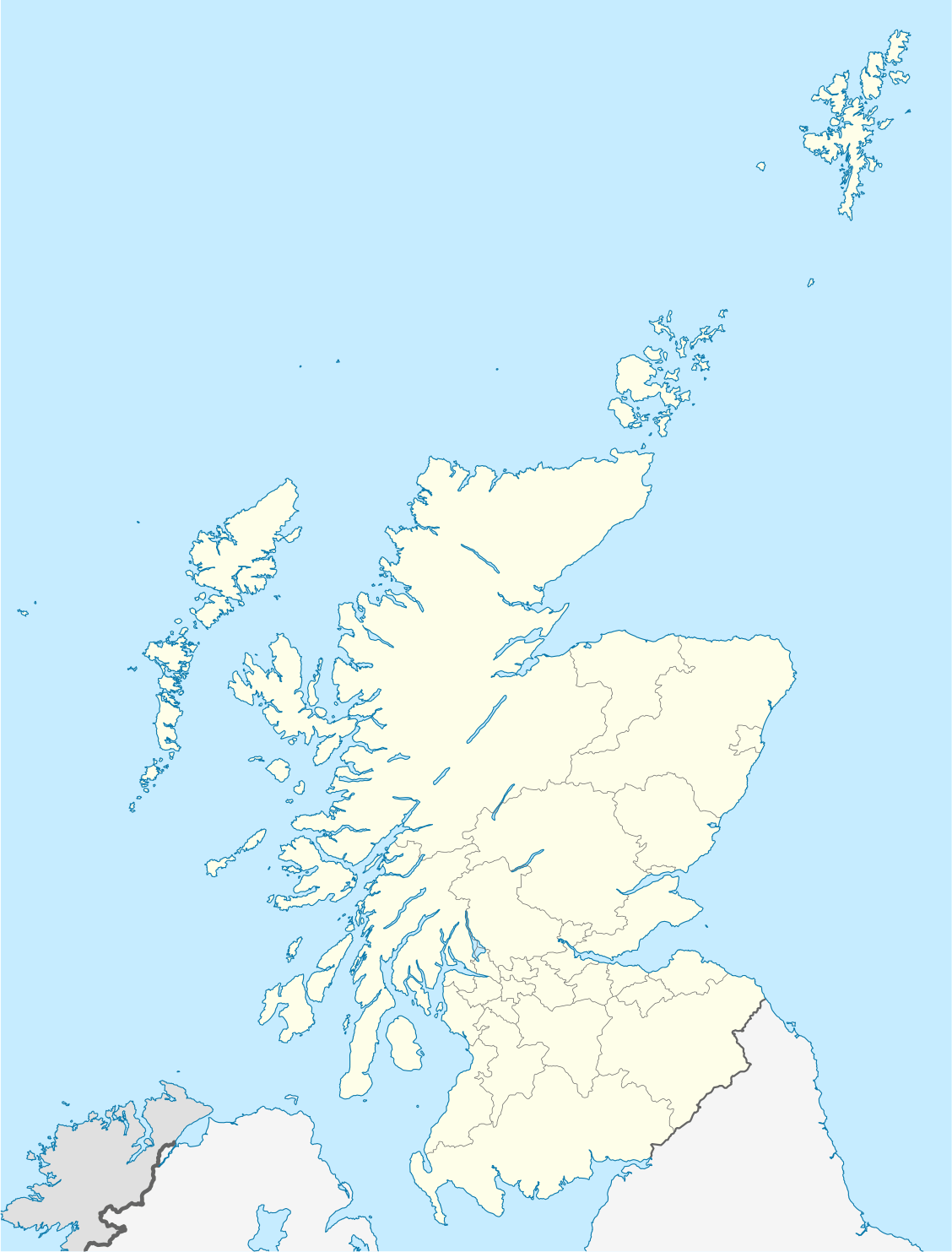

Short entry0.0 miles away
Caerlaverock NNR public trails
Hollands and Castle Corner, south of Dumfries · Merse, reedbed, mudflats and coastal woodland
 the ai birderBirding near me
The AI Birder · one-page field sheet
Eastpark Farm, Dumfriesshire, Scotland · DG1 4RS · DG1 4RS

Barnacle Goose · Whooper Swan · Wigeon · Teal · Shoveler · Mute Swan
Farmhouse Tower · Folly Pond Hide · Scottish Water Hide · Sir Peter Scott Observatory · Saltcot Merse Observatory · Glengoyne Hide · Avenue Tower · Campbell Hide · Teal Pond Hide · Newfield Hide · Back Pond Hide · Sharp’s Lookout · Sir Peter Scott Trail feeding-station screen · Avenue and Saltcot Loaning screens (three)
Check current access, hide closures and operator notices before travelling. Seasonal birds are possibilities, not promised sightings. Keep to authorised routes and give wildlife space.
Opening and charges checked 2026-10-25. Operator: https://www.wwt.org.uk/wetland-centres/caerlaverock
Full guide and current source links: https://aibirder.co.uk/reserves/wwt-caerlaverock
SC 04 · WWT reserve guide
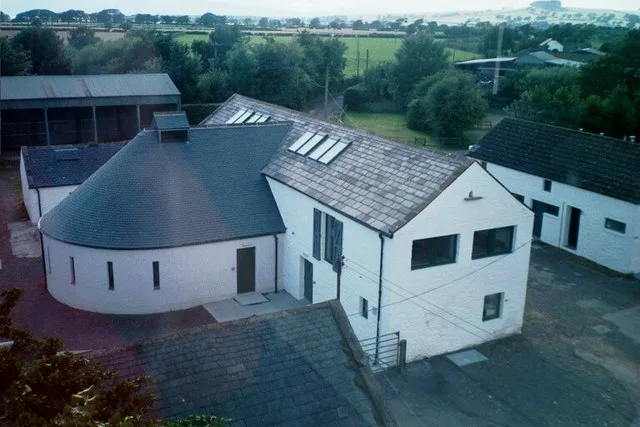
Eastpark Farm, Dumfriesshire, Scotland · DG1 4RS
Thousands of Barnacle Geese and visiting Whooper Swans transform this 1,400-acre wild reserve on the north Solway coast.
Decide if the visit fits.
Last checked 18 October 2026.
Opening and charges information · checked .
Stay nearby →Reserve overview
Thousands of Barnacle Geese and visiting Whooper Swans transform this 1,400-acre wild reserve on the north Solway coast.
Eight checks for a smoother visit.
Conditions change: check the operator and transport notices before travelling.
January: Typically start with Barnacle Goose from Glengoyne Hide, then compare Whooper Swan and Wigeon from Sir Peter Scott Observatory. Choose an open Tuesday–Saturday and leave dawn access to an explicitly booked operator event.
February: Usually the inner ponds make a rewarding winter circuit: Teal and Shoveler from Scottish Water Hide, with Tree Sparrow from the Sir Peter Scott Trail feeding-station screen. Ice and wind can move birds between waters.
March: Typically Whooper Swan remains possible from Sir Peter Scott Observatory while Barnacle Goose can still fill the Corner Field view from Glengoyne Hide. Departure dates vary, so late March should not be treated as guaranteed midwinter.
April: Usually watch the transition from Glengoyne Hide for lingering Barnacle Goose and try Teal Pond Hide for Gadwall. Skylark song can add interest from Saltcot Merse Observatory without approaching breeding birds on the merse.
May: Typically favour Teal Pond Hide for Little Grebe and Gadwall, then scan for Osprey from Saltcot Merse Observatory. These are broad public views, with no nest directions and no promise of a hunting fly-past.
June: Usually watch House Martin in flight from Farmhouse Tower and Swallow from Glengoyne Hide. Do not inspect nests on buildings; binocular views of feeding birds provide the useful identification lesson without disturbance.
July: Typically give Teal Pond Hide time for Little Egret and Little Grebe, then scan the open reserve for Osprey from Saltcot Merse Observatory. A summer day has a different rhythm from the winter swan spectacle.
August: Usually a patient Back Pond Hide watch for Kingfisher is worthwhile, with Tree Sparrow at the feeding-station screen as a contrasting option. The seasonal meadow walk is not a shortcut through restricted wetland.
September: Typically try Saltcot Merse Observatory for Peregrine and the wider wetland for Marsh Harrier. Read WWT’s dated updates before travel: early autumn can still precede the main winter arrivals by several weeks.
October: Usually Barnacle Goose returns to the grazing fields seen from Glengoyne Hide and Whooper Swan to Sir Peter Scott Observatory. The operator’s October2026 dawn count is a dated observation, not a repeating public-access entitlement.
November: Typically combine Barnacle Goose from Avenue Tower with Curlew from Sharp’s Lookout. Check the tide for a later Saltcot Merse Observatory watch, but keep enough time to return before the centre closes.
December: Usually the close inner-pond views are the most comfortable choice: Whooper Swan from Sir Peter Scott Observatory and Teal from Scottish Water Hide. Water Rail can appear below the feeding-station screen; waiting quietly is better than searching cover.
Best conditions: Our choice is a clear calm winter morning for Corner Field geese, then a high-tide merse watch within visitor hours. Strong winds and glare can make distant identification difficult. Use a telescope for the Solway and binoculars for feeding-station birds. Except for WWT’s explicit morning goose preference, light and scope advice is editorial. Never leave hides or paths to reach saltmarsh birds.
Admission and hours checked against WWT on 18 October 2026: the dedicated opening page says Tuesday–Saturday, 10am–4.30pm, with last entry at 3.30pm; Sunday and Monday are closed, including to members. The current 2026 on-the-day tariff is adult £4.50, junior aged 3–17 £3.15, or £13.50 for two adults and two children. With the optional Gift Aid donation these become £5, £3.50 and £15 respectively. At WWT Caerlaverock, admission is free for children under three and for carers assisting disabled visitors. WWT offers advance booking as well as admission at the centre. Its general visiting page still contains an older visitor-centre hours paragraph that conflicts with the dedicated hours page. Check the current opening page before setting off, especially for an event or holiday visit. The accessible parking provision is free; a separate general parking tariff was not stated in the pages consulted.
Access times: Reserve: Tuesday–Saturday10am–4.30pm, last entry3.30pm. Sunday and Monday CLOSED to everyone, including members. · Hides: During reserve admission hours unless an explicitly advertised WWT event grants different access; no general dawn or dusk entitlement. · Car park: Use with the open visitor centre; a separate public out-of-hours parking schedule was not verified. · Dawn access: no. Operator opening information.
The most useful approach is to combine contrasting viewpoints rather than hurry round every building. Folly Pond Hide gives a close, low view of the pond; Scottish Water Hide looks at the same water from another angle. Changing viewpoints can help identify a bird that is silhouetted or hidden behind another flock. Campbell Hide looks north across the floodground, while Avenue Tower surveys the eastern reserve. Keep the official map handy so that you can choose a purposeful circuit. Two-hour plan — an editorial suggestion: begin with a brief look at the day's sightings, then give Folly Pond about half an hour. Move to the Whooper Pond and spend another substantial watch with the wildfowl. Finish with Glengoyne Hide or the woodland trail according to where the most interesting activity is happening. Leave some of the two hours for the walks between viewpoints, a toilet stop and returning to the entrance; this is a birdwatching outline rather than a timed route. Full-day plan — an editorial suggestion: start with the inner ponds before walking towards Saltcot Merse Observatory. Use the middle of the day for the saltmarsh and grazing fields, take a packed-lunch break, then explore the Sir Peter Scott Trail. Back Pond Hide faces along a pond where kingfisher is a possibility; the feeding-station screen offers a different scale of watching, including tree sparrows. Revisit your most productive pond in the afternoon instead of adding distance for its own sake. For summer, substitute the seasonal meadow walk beside Lochar Water, which WWT lists as open May–August. Use screens and established paths, keep voices low near hides and allow birds to approach naturally. The changing tide can make a second saltmarsh watch more worthwhile than an uninterrupted circuit.
Use the linked reserve map and directions with current access notices. Species are typical seasonal targets. Light and telescope advice reflects our choice of viewpoint.
Folly Pond and the wider reserve from the mapped tower
Three-storey tower. Use ground-level alternatives if stairs are unsuitable; do not disturb nests on the building.
Winter: Whooper Swan
Summer: House Martin
Light: either. Scope: useful.
Folly Pond from a low enclosed hide
Use the official map and signed access; birds move between the shared pond views.
Winter: Wigeon, Teal, Shoveler
Spring: Teal, Shoveler
Autumn: Wigeon, Teal
Light: either. Scope: useful.
Folly Pond from a second angle
Different angle on the same water; use whichever view avoids glare.
Winter: Shoveler, Teal, Wigeon
Spring: Shoveler, Teal
Autumn: Shoveler, Teal, Wigeon
Light: either. Scope: useful.
Whooper Pond, its meadow and Corner Field
About150m from the centre. Observatory tower has lift or stair access; ask staff about availability.
Winter: Whooper Swan, Mute Swan, Wigeon, Mallard, Tufted Duck, Shoveler, Teal, Greylag Goose
Spring: Whooper Swan, Mallard
Summer: Mallard, Mute Swan
Autumn: Whooper Swan, Wigeon
Light: either. Scope: useful.
Saltmarsh, distant Solway water and the wider merse
About half a mile from the centre; keep to the permitted approach and return within opening hours.
Winter: Peregrine, Curlew, Hen Harrier
Spring: Skylark
Summer: Skylark, Marsh Harrier
Autumn: Peregrine, Marsh Harrier, Hen Harrier
Light: either. Scope: essential.
Tide: WWT specifically recommends high tide when waders move inland. Do not leave the public observatory to follow them.
Corner Field from the east-facing log hide
Watch from the official hide; leave nesting birds on the building undisturbed.
Winter: Barnacle Goose
Spring: Barnacle Goose
Summer: Swallow
Autumn: Barnacle Goose
Light: morning. Scope: useful.
Eastern floodground and grazing fields
Three-storey tower about half a mile from the centre; ground-floor viewing is an alternative to climbing.
Winter: Barnacle Goose
Spring: Barnacle Goose
Autumn: Barnacle Goose
Light: either. Scope: essential.
Northern floodground from the log hide
WWT describes north-facing views with sun behind the observer. Light advice is editorial; cloud and time change glare.
Winter: Wigeon, Teal
Autumn: Wigeon, Teal
Light: either. Scope: useful.
Teal Pond and its vegetation
Watch feeding birds from the hide without inspecting nests or walking into pond margins.
Winter: Teal, Wigeon
Spring: Gadwall, Little Grebe
Summer: Gadwall, Little Grebe, Little Egret
Autumn: Teal, Little Egret
Light: either. Scope: not needed.
Wet fields north of the Sir Peter Scott Trail hide
An official mapped hide; no reviewed source securely attributed named species to this particular field view.
Light: either. Scope: useful.
Back Pond along the east-facing water
Use the public hide only; Kingfisher is a patient watching target, never a nest-searching invitation.
Winter: Kingfisher
Spring: Kingfisher
Summer: Kingfisher
Autumn: Kingfisher
Light: either. Scope: not needed.
Rear of Folly Pond and its feeding ground
Official named lookout; stay within the signed viewpoint.
Winter: Curlew, Barnacle Goose
Autumn: Barnacle Goose
Light: either. Scope: useful.
Wild-bird feeding station beside the Sir Peter Scott Trail
Remain behind the screen and allow birds space to reach food.
Winter: Tree Sparrow, Water Rail
Spring: Tree Sparrow
Summer: Tree Sparrow
Autumn: Tree Sparrow
Light: either. Scope: not needed.
Borrow-pit pools and fields from three small official screens
WWT inventories three small screens on Avenue and Saltcot Loaning; their individual names and species associations were not supplied. Use the mapped screens only.
Light: either. Scope: useful.
| Spot | Overlooks | Key species by season | Best light | Scope | Tide |
|---|---|---|---|---|---|
| Farmhouse TowerThree-storey tower. Use ground-level alternatives if stairs are unsuitable; do not disturb nests on the building. | Folly Pond and the wider reserve from the mapped tower | Winter: Whooper Swan Summer: House Martin | either | useful | — |
| Folly Pond HideUse the official map and signed access; birds move between the shared pond views. | Folly Pond from a low enclosed hide | Winter: Wigeon, Teal, Shoveler Spring: Teal, Shoveler Autumn: Wigeon, Teal | either | useful | — |
| Scottish Water HideDifferent angle on the same water; use whichever view avoids glare. | Folly Pond from a second angle | Winter: Shoveler, Teal, Wigeon Spring: Shoveler, Teal Autumn: Shoveler, Teal, Wigeon | either | useful | — |
| Sir Peter Scott ObservatoryAbout150m from the centre. Observatory tower has lift or stair access; ask staff about availability. | Whooper Pond, its meadow and Corner Field | Winter: Whooper Swan, Mute Swan, Wigeon, Mallard, Tufted Duck, Shoveler, Teal, Greylag Goose Spring: Whooper Swan, Mallard Summer: Mallard, Mute Swan Autumn: Whooper Swan, Wigeon | either | useful | — |
| Saltcot Merse ObservatoryAbout half a mile from the centre; keep to the permitted approach and return within opening hours. | Saltmarsh, distant Solway water and the wider merse | Winter: Peregrine, Curlew, Hen Harrier Spring: Skylark Summer: Skylark, Marsh Harrier Autumn: Peregrine, Marsh Harrier, Hen Harrier | either | essential | WWT specifically recommends high tide when waders move inland. Do not leave the public observatory to follow them. |
| Glengoyne HideWatch from the official hide; leave nesting birds on the building undisturbed. | Corner Field from the east-facing log hide | Winter: Barnacle Goose Spring: Barnacle Goose Summer: Swallow Autumn: Barnacle Goose | morning | useful | — |
| Avenue TowerThree-storey tower about half a mile from the centre; ground-floor viewing is an alternative to climbing. | Eastern floodground and grazing fields | Winter: Barnacle Goose Spring: Barnacle Goose Autumn: Barnacle Goose | either | essential | — |
| Campbell HideWWT describes north-facing views with sun behind the observer. Light advice is editorial; cloud and time change glare. | Northern floodground from the log hide | Winter: Wigeon, Teal Autumn: Wigeon, Teal | either | useful | — |
| Teal Pond HideWatch feeding birds from the hide without inspecting nests or walking into pond margins. | Teal Pond and its vegetation | Winter: Teal, Wigeon Spring: Gadwall, Little Grebe Summer: Gadwall, Little Grebe, Little Egret Autumn: Teal, Little Egret | either | not needed | — |
| Newfield HideAn official mapped hide; no reviewed source securely attributed named species to this particular field view. | Wet fields north of the Sir Peter Scott Trail hide | — | either | useful | — |
| Back Pond HideUse the public hide only; Kingfisher is a patient watching target, never a nest-searching invitation. | Back Pond along the east-facing water | Winter: Kingfisher Spring: Kingfisher Summer: Kingfisher Autumn: Kingfisher | either | not needed | — |
| Sharp’s LookoutOfficial named lookout; stay within the signed viewpoint. | Rear of Folly Pond and its feeding ground | Winter: Curlew, Barnacle Goose Autumn: Barnacle Goose | either | useful | — |
| Sir Peter Scott Trail feeding-station screenRemain behind the screen and allow birds space to reach food. | Wild-bird feeding station beside the Sir Peter Scott Trail | Winter: Tree Sparrow, Water Rail Spring: Tree Sparrow Summer: Tree Sparrow Autumn: Tree Sparrow | either | not needed | — |
| Avenue and Saltcot Loaning screens (three)WWT inventories three small screens on Avenue and Saltcot Loaning; their individual names and species associations were not supplied. Use the mapped screens only. | Borrow-pit pools and fields from three small official screens | — | either | useful | — |
Month chips show typical presence or our preferred viewing season. Choose birds that suit the time of your visit.
High tide can bring waders towards the merse view at Saltcot Merse Observatory, as WWT describes. Remain in the official viewing areas; no minimum height, exact advance-arrival interval or local time offset was verified.
Season: Typically autumn and winter for Barnacle Goose and Whooper Swan; WWT describes the swan-feeding season as October–March.. Arrival time: Use normal Tuesday–Saturday visitor hours for daytime geese and swans. Dawn flights need an explicitly advertised WWT event; no current repeating feed clock-time is assumed.. Check WWT’s current event booking page before arranging a dawn visit. The15October2026 report describes a booked Dawn Flight opportunity, not unrestricted access. Use the centre’s own parking and return before closure.
WWT describes the site as mostly level, with no gates on the principal access routes. Flat, broad avenues are suitable for wheelchairs, and every hide has a step-free ground floor with wheelchair-height viewing windows. These details apply to the lower viewing provision; they should not be read as a promise that every elevated platform has the same access. The Sir Peter Scott Observatory tower has a lift as well as stairs, according to WWT's hide description. One accessible toilet is listed. Wheelchairs are available to hire, and enlarged maps can be requested ahead of a visit. Discuss the chair you use, the surfaces you can manage and the particular viewpoints you want to reach with the centre when making arrangements. Winter wetness and mud can change the effort required even where a route is normally suitable. The Peter Scott Centenary Walk is identified by WWT as a sensory experience. A shorter visit using fewer hides can leave more time for comfortable viewing and rests. For visitors sensitive to cold, wind or busy enclosed spaces, planning a flexible sequence of nearby stops is a useful editorial option; the centre can explain the day's conditions and any equipment availability.
Bring a packed lunch for a longer stay: WWT says there is currently no operating café or shop. Tea, coffee and water are available for a donation, and visitors may use the picnic area or indoor seating for their own refreshments. Pack a reusable bottle and food you can eat without leaving the reserve midway through a watch. Two Pod Point electric-vehicle charging points are listed; WWT says the smartphone app is needed and payment cannot be made at the site. Check the charging network for its current tariff.
Pets are excluded because of the reserve's wildlife. Trained assistance dogs are permitted, provided they remain on a lead and under control and waste is removed. WWT may request that an assistance dog move away from an area if birds or other animals react to its presence. Plan any separate pet care before travelling.
Dumfries is the nearest railway station, identified by WWT with postcode DG1 1NF. For a car-free visit, connect from the station to the town's bus services or arrange a taxi through to Eastpark Farm. Do not assume that a bus arrival in Caerlaverock leaves you at the admission desk. WWT describes approximately a mile of country-lane walking after the bus. Consider the return walk, available daylight and weather when comparing that option with a taxi. The real local route is 6A: Houston's Coaches currently lists it as Dumfries–Caerlaverock on its own timetable page. WWT's directions still call the service Stagecoach, so use the transport operator's timetable for the current service and check both outward and return journeys before committing. Reserve opening days and bus operating days must both suit the trip. WWT also identifies Cycle Route 7 and secure covered cycle parking at the centre. Cyclists can plan a visit around the river and country lanes, using the operator's directions for the final approach rather than following signs to the separate castle visitor attraction.
Useful bases for an early start.
Booking.com links are affiliate links: we may earn a commission at no extra cost to you. How these links work.
About 9.0 miles by road, roughly 17 minutes' drive from Dumfries centre; OSRM / OpenStreetMap estimate measured 18 October 2026, excluding live traffic.
Measured driving route · 2026-10-18. Map estimates exclude live traffic.
A rail-connected town base for visitors combining wetland birding with other local trips.Find places to stay in Dumfries on Booking.comAbout 5.9 miles by road, roughly 8 minutes' drive from Glencaple village; OSRM / OpenStreetMap estimate measured 18 October 2026, excluding live traffic.
Measured driving route · 2026-10-18. Map estimates exclude live traffic.
A smaller Solway-side base for a countryside stay and a short reserve transfer.Find places to stay in Glencaple on Booking.comAbout 14.3 miles by road, roughly 20 minutes' drive from Annan centre; OSRM / OpenStreetMap estimate measured 18 October 2026, excluding live traffic.
Measured driving route · 2026-10-18. Map estimates exclude live traffic.
An eastern base for pairing Caerlaverock with a wider Solway itinerary.Find places to stay in Annan on Booking.comExplore Dumfries and Galloway’s full guides and smaller birding sites
Contact WWT Caerlaverock on 01387 770200 or info.caerlaverock@wwt.org.uk. The visitor address is Eastpark Farm, Dumfriesshire, DG1 4RS. The official news feed includes reserve reports and event notices and is more useful for recent activity than treating a seasonal species list as a promise. Read the latest reports when deciding which pond or viewpoint deserves most of your time. For a particular bird, describe the species and date of your intended visit when contacting the team; for a group, discuss its requirements before booking transport. Keep a personal notebook of what you actually see, including weather and viewpoint, to make a return visit easier to compare.
Check WWT Caerlaverock: dated reserve reports and sightings. regular dated updates Reports show what has been seen, not what will be.
Follow the BTO Birders’ Code and give wildlife space.
WWT Caerlaverock: Adult £4.50 (£5 with Gift Aid); under-3s/carers free.
WWT Caerlaverock: Pets are excluded because of the reserve's wildlife.
WWT Caerlaverock: October–April.
WWT Caerlaverock: WWT describes the site as mostly level, with no gates on the principal access routes.
WWT Caerlaverock: Dumfries is the nearest railway station, identified by WWT with postcode DG1 1NF.
Shorter stops within 15 miles in a straight line. Use the operator’s arrival directions for the journey.
Hollands and Castle Corner, south of Dumfries · Merse, reedbed, mudflats and coastal woodland
Solway coast between Caulkerbush and Sandyhills Bay · Wooded sea cliffs, meadow and saltmarsh
Nearby complete guides.
Stops with a purpose: use one as a contrasting habitat or weather-proof Plan B. Distances are straight-line estimates, not road journeys.