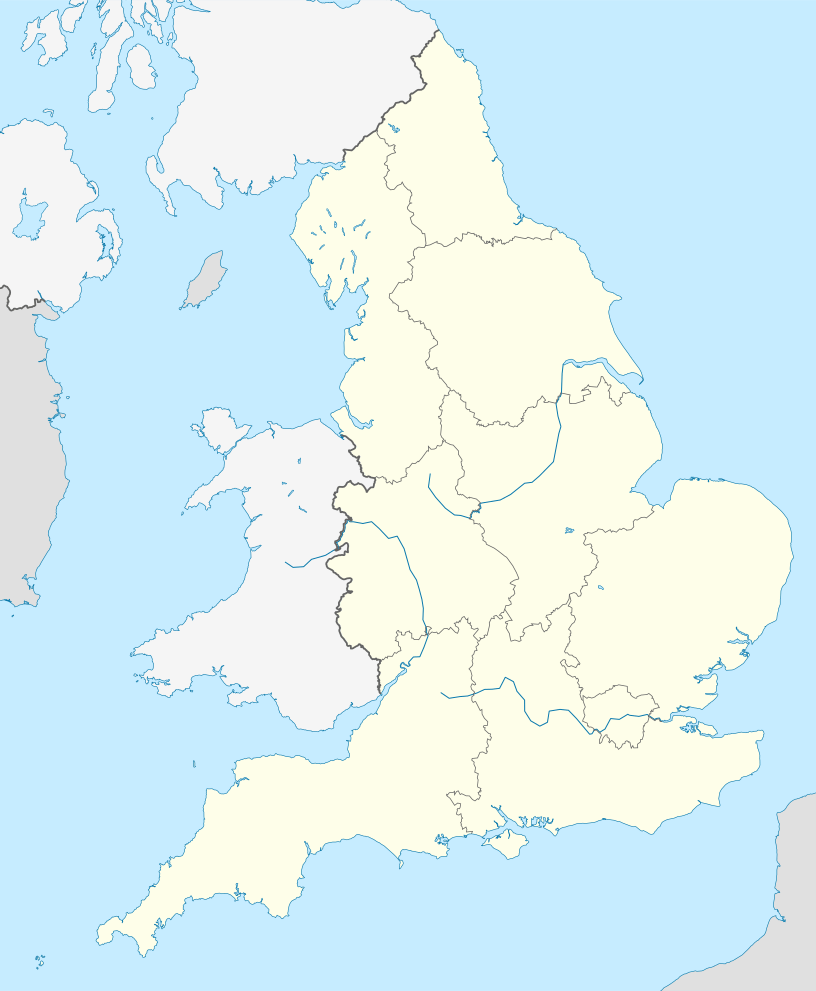
Short entry3.3 miles away
Consall Woods
Stoke-on-Trent · Woodland and river
 the ai birderBirding near me
The AI Birder · one-page field sheet
Bradnop, Staffordshire, England · ST13 7EU · ST13 7EU

Chiffchaff · Blackcap · Nuthatch · Treecreeper · Great Spotted Woodpecker · Green Woodpecker
Information Centre viewing platform · Buzzard-shaped valley seat · Pond-viewing bench · Woodland storytelling bench · Valley Woodland Loop — woodland and brook section · Woodcock Trail — mature woodland section · Natural play trail — woodland edge
Check current access, hide closures and operator notices before travelling. Seasonal birds are possibilities, not promised sightings. Keep to authorised routes and give wildlife space.
Opening and charges checked 2026-10-18. Operator: https://www.rspb.org.uk/days-out/reserves/coombes-valley
Full guide and current source links: https://aibirder.co.uk/reserves/rspb-coombes-valley
EN 60 · RSPB reserve guide
Bradnop, Staffordshire, England · ST13 7EU
Redstart, Pied Flycatcher, Redwing, Fieldfare
Decide if the visit fits.
Last checked 18 October 2026.
Opening and charges information · checked .
Stay nearby →Reserve overview
Redstart, Pied Flycatcher, Redwing, Fieldfare
Eight checks for a smoother visit.
Conditions change: check the operator and transport notices before travelling.
January: January usually rewards a winter-flock watch from the Information Centre viewing platform for Blue Tit, Great Tit, Coal Tit and Chaffinch. On the Valley Woodland Loop look for Redwing and Fieldfare around woodland and meadow edges. Entry begins at 9am, so plan a daylight visit rather than an unauthorised dawn watch.
February: In February, leafless branches help with Nuthatch and Treecreeper on the woodland trails. Try the Natural play trail woodland edge for Nuthatch and the storytelling bench for Treecreeper or Goldcrest. Keep a comfortable return distance; these trails are not all level just because the entrance platform is accessible.
March: March typically adds more song and woodpecker activity. Use the Woodcock Trail’s mature woodland section for Great Spotted Woodpecker and listen along the Valley Woodland Loop for Song Thrush and early Chiffchaff. A visit should follow current bridge diversions rather than a remembered route across the brook.
April: April usually brings the first Pied Flycatchers and Redstarts back to the Valley Woodland Loop, with Chiffchaff and Willow Warbler increasingly audible. Watch from the established woodland path and give each listening stop time. Migrant arrival varies; do not treat the beginning of April as a guaranteed flycatcher date.
May: May is our choice for Pied Flycatcher and Redstart on the Valley Woodland Loop, adding Garden Warbler and Blackcap by listening carefully. Use the Information Centre platform for Chaffinch, tits and Jay before the walk. Avoid lingering near adults carrying food, nest holes or boxes; a good view does not require finding a nest.
June: June usually offers Spotted Flycatcher, Pied Flycatcher and woodland warblers along the Valley Woodland Loop. Check broad canopy gaps and listen for Garden Warbler without entering vegetation. The Buzzard-shaped valley seat offers a separate sky scan. Keep the route practical around steep ground and any signed bridge closure.
July: In July, quiet watching can reveal family groups of tits and Treecreeper along the woodland trails. The Information Centre viewing platform is a useful first stop for Blue Tit and Great Tit, followed by the storytelling bench for a slower woodland watch. Song may be less obvious than during spring.
August: August typically becomes a study in calls and feeding movements. Look for Spotted Flycatcher from the Valley Woodland Loop, then scan the entrance feeding area for Goldfinch and tits. A Buzzard watch from the valley seat adds an open-sky contrast without needing to search further into dense woodland.
September: September usually suits the Natural play trail woodland edge for Nuthatch and Jay, with Treecreeper on the Valley Woodland Loop. A few summer migrants can remain, but their presence depends on passage and timing. Pause beside the path where views are clear rather than following a flock off the trail.
October: In October, listen for arriving Redwing and Fieldfare along the Valley Woodland Loop, and inspect the Information Centre feeding area for Chaffinch and Coal Tit. The visitor centre’s seasonal operation ends after October; the outdoor trails continue during normal reserve hours. Confirm conditions before choosing the longer woodland circuit.
November: November is usually a month for short, thorough woodland watches. Try the storytelling bench for Goldcrest and Treecreeper and the entrance platform for mixed tits. Redwing and Fieldfare may use the woodland and meadow edges. The visitor centre is seasonally closed, so bring the food and drink needed for the outing.
December: December usually favours the brightest part of the day for comparing Chaffinch and tits from the Information Centre platform. Add a modest Valley Woodland Loop section for Redwing, Fieldfare and Wren if ground conditions suit. Return before dusk; neither a trail name nor old visit report establishes after-hours access.
Best conditions: Our choice is a calm spring morning after the 9am opening, allowing pauses to distinguish several woodland songs before moving on. Binoculars are more useful than a scope in the canopy; a scope is optional for the broad valley view. Avoid strong glare through canopy gaps and choose a side of the path with comfortable light. In rain, a shorter route with the entrance platform is often the better plan because the valley climbs and descents become muddy.
On the 18 October 2026 check, admission to the reserve was free for children and adults. The RSPB charges page lists £4 parking for non-members and free parking for members, with no advance booking required for an ordinary visit. Groups of ten or more should email at least a week ahead because the car park is small. Coaches cannot be accommodated. The visitor centre and refreshments are seasonal, April–October, closing November–March while the rest of the site stays open. Toilets are available during public opening. Check the current reserve notices and forecast before travelling; muddy woodland and seasonal facilities can affect how long a visit is comfortable.
Access times: Reserve: Current October 2026 calendar: 9am to dusk. · Hides: No enclosed bird hide verified. Outdoor viewpoints are used during reserve hours; the information centre opens April–October and closes November–March. · Car park: Facilities page: daily 9am–9pm or dusk if earlier; current calendar: 9am–dusk. No overnight parking. · Dawn access: no. Operator opening information.
Three named routes make it easy to choose the kind of day you want. The natural play trail is 0.8km and stays closest to the family activities. The Valley Woodland Loop is 2.6km, passing through meadow and woodland by Clough Meadow Cottage. The 5.2km Woodcock Trail goes deeper into the wilder woodland. Take those lengths as a route comparison rather than a predicted birding time: listening and watching can easily fill an afternoon on the shorter loop. A level outdoor viewing platform beside the information centre overlooks the nearest meadow and feeding station. It is a sensible place to start before choosing a valley route. Elsewhere, the reserve’s viewpoints and benches provide pauses rather than a chain of enclosed bird hides. Allow birds to reveal themselves through song, silhouette and movement, and avoid approaching nest boxes or cavities for a closer photograph. Two-hour plan — our suggestion: watch from the entrance platform, then choose part or all of the Valley Woodland Loop according to your pace. Make several quiet stops instead of treating the length as a target to complete. Families can substitute the natural play trail and keep the woodland visit shorter. Full-day plan — our recommendation: give the Valley Woodland Loop a slow morning, with a packed-lunch break back near the entrance. If the ground and your stamina suit, take the Woodcock Trail for a longer afternoon; otherwise return to the woodland stretches that held the most activity. Save energy for the return gradients. Staying on paths protects plants and nesting birds and also avoids unnecessary scrambling on the valley sides. A second listening session at a favourite clearing can reveal more than another kilometre of hurried walking.
Use the linked reserve map and directions with current access notices. Species are typical seasonal targets. Light and telescope advice reflects our choice of viewpoint.
The entrance meadow and official feeding station
Level-access outdoor platform with benches beside the information centre; visitor centre itself is seasonal.
Winter: Blue Tit, Great Tit, Coal Tit, Chaffinch
Spring: Goldfinch, Chaffinch, Jay
Summer: Blue Tit, Great Tit, House Sparrow
Autumn: Goldfinch, Blue Tit, Jay
Light: either. Scope: not needed.
Open views over the wooded valley and sky
Reached from the trail network, which has steep and muddy sections; no continuous step-free approach verified.
Winter: Buzzard
Spring: Buzzard, Raven
Summer: Buzzard, Raven
Autumn: Buzzard
Light: either. Scope: useful.
The old pond and surrounding woodland
Official carved bench on the trail network; view from the existing path and avoid any nesting activity.
Spring: Pied Flycatcher, Blackcap
Summer: Pied Flycatcher, Garden Warbler
Autumn: Wren
Light: either. Scope: not needed.
Oak woodland and understorey
A woodland listening stop reached by the existing trail; not a bird hide.
Winter: Treecreeper, Goldcrest
Spring: Song Thrush, Wren
Summer: Blackbird, Treecreeper
Autumn: Goldcrest, Blackbird
Light: either. Scope: not needed.
Deciduous canopy, scrub and streamside woodland
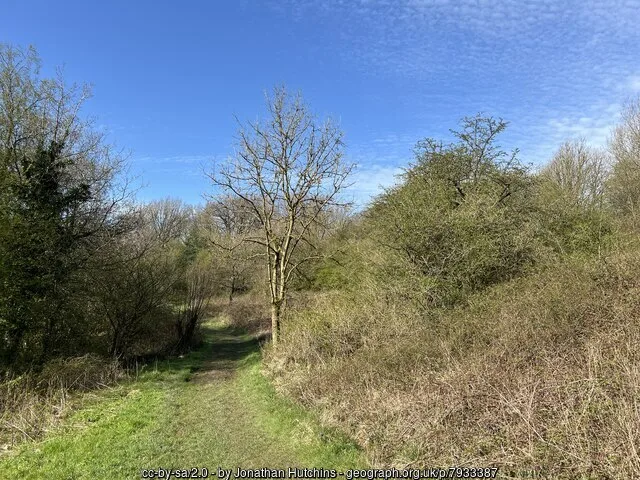
2.6km loop, with steep unsurfaced stretches; a bridge was reported closed in May 2026. Follow current signed diversions.
Winter: Redwing, Fieldfare
Spring: Pied Flycatcher, Redstart, Chiffchaff, Willow Warbler
Summer: Spotted Flycatcher, Garden Warbler, Blackcap
Autumn: Nuthatch, Treecreeper, Redwing
Light: either. Scope: not needed.
The wilder woodland canopy and floor
5.2km route with steep sections, steps and narrow bridges. Its name does not promise Woodcock sightings.
Winter: Goldcrest, Great Spotted Woodpecker
Spring: Great Spotted Woodpecker, Green Woodpecker, Garden Warbler
Summer: Treecreeper, Song Thrush
Autumn: Goldcrest, Great Spotted Woodpecker
Light: either. Scope: not needed.
Trees and hedges near the family route and visitor area
Short 0.8km family trail; check surface conditions and keep observation stops clear of play structures and other visitors.
Winter: Blue Tit, Nuthatch
Spring: Nuthatch, Wren
Summer: Blue Tit, Great Tit
Autumn: Jay, Nuthatch
Light: either. Scope: not needed.
| Spot | Overlooks | Key species by season | Best light | Scope | Tide |
|---|---|---|---|---|---|
| Information Centre viewing platformLevel-access outdoor platform with benches beside the information centre; visitor centre itself is seasonal. | The entrance meadow and official feeding station | Winter: Blue Tit, Great Tit, Coal Tit, Chaffinch Spring: Goldfinch, Chaffinch, Jay Summer: Blue Tit, Great Tit, House Sparrow Autumn: Goldfinch, Blue Tit, Jay | either | not needed | — |
| Buzzard-shaped valley seatReached from the trail network, which has steep and muddy sections; no continuous step-free approach verified. | Open views over the wooded valley and sky | Winter: Buzzard Spring: Buzzard, Raven Summer: Buzzard, Raven Autumn: Buzzard | either | useful | — |
| Pond-viewing benchOfficial carved bench on the trail network; view from the existing path and avoid any nesting activity. | The old pond and surrounding woodland | Spring: Pied Flycatcher, Blackcap Summer: Pied Flycatcher, Garden Warbler Autumn: Wren | either | not needed | — |
| Woodland storytelling benchA woodland listening stop reached by the existing trail; not a bird hide. | Oak woodland and understorey | Winter: Treecreeper, Goldcrest Spring: Song Thrush, Wren Summer: Blackbird, Treecreeper Autumn: Goldcrest, Blackbird | either | not needed | — |
| Valley Woodland Loop — woodland and brook section2.6km loop, with steep unsurfaced stretches; a bridge was reported closed in May 2026. Follow current signed diversions. | Deciduous canopy, scrub and streamside woodland | Winter: Redwing, Fieldfare Spring: Pied Flycatcher, Redstart, Chiffchaff, Willow Warbler Summer: Spotted Flycatcher, Garden Warbler, Blackcap Autumn: Nuthatch, Treecreeper, Redwing | either | not needed | — |
| Woodcock Trail — mature woodland section5.2km route with steep sections, steps and narrow bridges. Its name does not promise Woodcock sightings. | The wilder woodland canopy and floor | Winter: Goldcrest, Great Spotted Woodpecker Spring: Great Spotted Woodpecker, Green Woodpecker, Garden Warbler Summer: Treecreeper, Song Thrush Autumn: Goldcrest, Great Spotted Woodpecker | either | not needed | — |
| Natural play trail — woodland edgeShort 0.8km family trail; check surface conditions and keep observation stops clear of play structures and other visitors. | Trees and hedges near the family route and visitor area | Winter: Blue Tit, Nuthatch Spring: Nuthatch, Wren Summer: Blue Tit, Great Tit Autumn: Jay, Nuthatch | either | not needed | — |
Month chips show typical presence or our preferred viewing season. Choose birds that suit the time of your visit.
Coombes Valley has largely unsurfaced paths with changing gradients, very steep sections, steps and narrow footbridges. Some steps lack handrails, and wet weather makes the ground muddy. These features mean a long woodland circuit needs a realistic assessment even for visitors accustomed to ordinary surfaced reserve trails. Two Blue Badge spaces are listed next to the information centre, with firm rolled-gravel parking. The centre is level and step-free inside, with manual double doors and a tiled floor. The outdoor platform beside it provides a level-access place to watch the meadow and feeding station. An accessible toilet and baby-changing provision are in the nearby separate block. The RSPB describes the short natural play route as pushchair accessible, while warning that the wider trail network is unsuitable for many wheels. Treat those as separate route descriptions rather than assuming the whole valley is accessible. Contact the team with the specific path, equipment and distance you have in mind before planning a day that depends on it. Eight backed benches are distributed on the trails, but rests do not remove the need to climb back out. A short platform-and-entrance visit can be a more suitable choice than attempting a loop with no comfortable turning point.
Picnic areas are provided near the car park. Pack lunch for a longer woodland visit and take food waste home. Seasonal refreshments are available in the visitor centre; bring your own food and drink for a longer woodland session, especially in winter. Bicycle racks are provided. Family features include a canopy walkway, den building, fairy-house village, mud kitchen and storytelling circle. Keep food scraps and packaging with you so the picnic break leaves no litter among the trees or beside the paths.
Pet dogs are not permitted on the reserve because of its sensitive wildlife and habitats. Visitors with assistance dogs are welcome at RSPB Coombes Valley, including throughout its visitor routes. Make other arrangements for a pet before travelling; the woodland trails are not a general dog-walking circuit even where other countryside routes nearby have different rules.
Aimee’s Travel service 108 links Leek with Ashbourne and Buxton via Bradnop; its current operator page lists Monday–Saturday running. The RSPB describes an onward walk of about 1.2 miles from the bus stop to the reserve entrance, following the minor lane towards Apesford. Include that approach and its return in the total walking distance, and choose a bus home before beginning the woodland route. Moorlands Connect offers an alternative demand-responsive connection. The RSPB says to allow 48 hours for a Coombes request, while the transport operator’s current page allows same-day bookings or up to 28 days ahead. Contact the operator through its app or 01335 342951 to confirm the specific reserve pickup and return before relying on it. Stoke-on-Trent is the RSPB’s named rail gateway, about twelve miles away, with a taxi connection needed. Drivers reach the reserve from the A523 near Bradnop, following the signed minor road and keeping gateways clear.
Useful bases for an early start.
Booking.com links are affiliate links: we may earn a commission at no extra cost to you. How these links work.
About 4.2 miles by road, roughly 8 minutes’ drive from the town-centre map point (OSRM estimate measured 18 October 2026; traffic excluded).
Measured driving route · 18 October 2026. Map estimates exclude live traffic.
A base in Leek suits a longer break that includes RSPB Coombes Valley.Find places to stay in Leek on Booking.comAbout 13.3 miles by road, roughly 22 minutes’ drive from the town-centre map point (OSRM estimate measured 18 October 2026; traffic excluded).
Measured driving route · 18 October 2026. Map estimates exclude live traffic.
Ashbourne offers another town base for a regional trip that includes RSPB Coombes Valley.Find places to stay in Ashbourne on Booking.comAbout 12.5 miles by road, roughly 25 minutes’ drive from the town-centre map point (OSRM estimate measured 18 October 2026; traffic excluded).
Measured driving route · 18 October 2026. Map estimates exclude live traffic.
A base in Stoke-on-Trent suits a longer break that includes RSPB Coombes Valley.Find places to stay in Stoke-on-Trent on Booking.comExplore Staffordshire’s full guides and smaller birding sites
Contact CoombesValleyandConsallWoods@rspb.org.uk or 01538 384017. State whether you mean Coombes Valley or Consall Woods, and give the intended date, group size and any particular access requirement. Groups should arrange the visit at least a week beforehand so the small parking area can be managed. The visitor address is Coombes Valley and Consall Woods, Bradnop, Leek, Staffordshire, ST13 7EU. Book guided activities through official RSPB listings and use their own meeting instructions, which may differ from an independent walk.
Check RSPB local groups — actual Coombes Valley visit, May 2026. occasional trip reports; linked visit May 2026 Reports show what has been seen, not what will be.
Follow the BTO Birders’ Code and give wildlife space.
RSPB Coombes Valley: Free entry; non-member parking £4; members park free.
RSPB Coombes Valley: Pet dogs are not permitted on the reserve because of its sensitive wildlife and habitats.
RSPB Coombes Valley: Spring and early-summer woodland migrants; autumn and winter flocks.
RSPB Coombes Valley: The centre is level and step-free inside, with manual double doors and a tiled floor.
RSPB Coombes Valley: Aimee’s Travel service 108 links Leek with Ashbourne and Buxton via Bradnop; its current operator page lists Monday–Saturday running.
Shorter stops within 15 miles in a straight line. Use the operator’s arrival directions for the journey.
Stoke-on-Trent · Woodland and river
Ashbourne · Reservoir, reedbeds, meadows and woodland
Nearby complete guides.
Stops with a purpose: use one as a contrasting habitat or weather-proof Plan B. Distances are straight-line estimates, not road journeys.