

SC 50 · NatureScot reserve guide
Noss National Nature Reserve
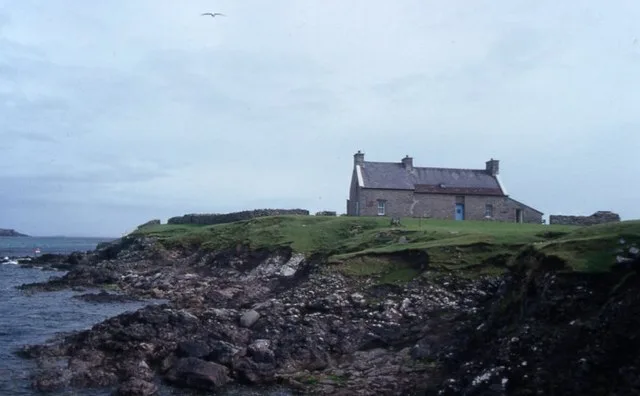
Off Bressay, Shetland, Scotland · Lerwick departure postal postcode ZE1 0PW
A two-crossing island day with a demanding walk to the great seabird cliffs.

Decide if the visit fits.
Noss National Nature Reserve at a glance
Last checked 18 October 2026.
NatureScot states that Noss is closed September–April with no visitor ferry. The next actual opening must be confirmed with the operator.
- Open
- May–August 10am–5pm, except Mon/Thu; closed September–April.More about open
- Price / parking
- Noss ferry £10 adult, £5 child/student; Bressay ferry charged separately.More about price / parking
- Best time
- Public visitor season normally May–August · breeding seabirds mi…More about best time
- Dogs
- NatureScot says the Noss ferry is unsuitable for dogs, so arrang…More about dogs
- Toilets
- The seasonal visitor centre provides interpretation, toilets and…More about toilets
- Step-free
- The small inflatable ferry uses natural landing places, with the…More about step-free
Opening and charges information · checked .
Stay nearby →On this page
Reserve overview
Noss reserve and habitat
A two-crossing island day with a demanding walk to the great seabird cliffs.
Eight checks for a smoother visit.
Planning your visit to Noss
Conditions change: check the operator and transport notices before travelling.
Noss best time to visit and seasonal birds
January: the reserve is closed; plan next season’s Gannet watch from Noup of Noss on the Gannet Trail. The reserve is closed under NatureScot’s September–April visitor notice. Plan a future authorised-season watch for Gannet from Noup of Noss on the Gannet Trail. Read the operator annual report while planning a summer visit; this is not a winter landing recommendation. No winter presence at that viewing place is promised. February: the reserve is closed; plan next season’s Puffin watch from Hill of Papilgeo on the Inbye Trail. The reserve is closed under NatureScot’s September–April visitor notice. Plan a future authorised-season watch for Puffin from Hill of Papilgeo on the Inbye Trail. Check the current visiting instructions before choosing travel dates, leaving room for cancelled crossings. No winter presence at that viewing place is promised. March: the reserve is closed; plan next season’s Black Guillemot watch from Noss Sound public landing and Inbye shore path. The reserve is closed under NatureScot’s September–April visitor notice. Plan a future authorised-season watch for Black Guillemot from Noss Sound public landing and Inbye shore path. Prepare clean footwear and a flexible itinerary rather than assuming an early spring ferry operates. No winter presence at that viewing place is promised. April: the reserve is closed; plan next season’s Fulmar watch from Hill of Papilgeo on the Inbye Trail. The reserve is closed under NatureScot’s September–April visitor notice. Plan a future authorised-season watch for Fulmar from Hill of Papilgeo on the Inbye Trail. Reconfirm the season with NatureScot; older report introductions must not override the current closure notice. No winter presence at that viewing place is promised. May: typically look for Gannet from Noup of Noss on the Gannet Trail. May is within the normally advertised ferry season, but not a guarantee of a crossing. Call the recorded information line after 8am and allow time for the longer coastal route. June: typically look for Puffin from Hill of Papilgeo on the Inbye Trail. Choose the shorter Inbye Trail when a long circuit would leave little return margin. Stay on the public path; breeding ledges, burrows and moorland territories are not places to approach. July: typically look for Guillemot and Razorbill from Noup of Noss on the Gannet Trail. Use binoculars first and a scope only from safe ground. The exposed walk is optional if wind, visibility or the available return-boat window makes the shorter trail the better decision. August: typically look for Arctic Tern from Noss Sound public landing and Inbye shore path. Watch feeding birds from the public shore without following them into breeding areas. Check the ferry message even in summer, and queue in good time for the operator’s last return crossing. September: the reserve is closed; plan next season’s Gannet watch from Noup of Noss on the Gannet Trail. The reserve is closed under NatureScot’s September–April visitor notice. Plan a future authorised-season watch for Gannet from Noup of Noss on the Gannet Trail. Current instructions close the reserve from September, despite older annual-report text describing a longer summer ferry season. No winter presence at that viewing place is promised. October: the reserve is closed; plan next season’s Puffin watch from Hill of Papilgeo on the Inbye Trail. The reserve is closed under NatureScot’s September–April visitor notice. Plan a future authorised-season watch for Puffin from Hill of Papilgeo on the Inbye Trail. Use the published map to understand next season’s short walk, not as permission for an independent autumn landing. No winter presence at that viewing place is promised. November: the reserve is closed; plan next season’s Shag watch from Noss Sound public landing and Inbye shore path. The reserve is closed under NatureScot’s September–April visitor notice. Plan a future authorised-season watch for Shag from Noss Sound public landing and Inbye shore path. Review crossing and biosecurity instructions for a future visit rather than assuming a local boat can bypass the reserve closure. No winter presence at that viewing place is promised. December: the reserve is closed; plan next season’s Kittiwake watch from Noup of Noss on the Gannet Trail. The reserve is closed under NatureScot’s September–April visitor notice. Plan a future authorised-season watch for Kittiwake from Noup of Noss on the Gannet Trail. Compare the long Gannet Trail with the shorter Inbye option while planning enough weather contingency for next summer. No winter presence at that viewing place is promised.
Best conditions: Our choice is a dry, clear day with manageable wind and a confirmed operating ferry. Call 0800 107 7818 after 8am on the visit day. Choose the Inbye Trail if the longer exposed Gannet Trail would compromise the return margin; clean footwear and use the operator footbaths.
Noss opening times, entry and facilities
Seasonal entry, checked 18 October 2026: NatureScot states that Noss is closed September–April, with no visitor ferry. During the normal May–August season, the Noss crossing operates on suitable days except Mondays and Thursdays. Use the boat panel for the published times, fare and morning information line. The Lerwick–Bressay ferry is a separate council service with its own ticket and timetable. There is no advance reservation for NatureScot's Noss boat, so allow time for a queue and the warden's briefing. Check NatureScot's current season notice and ferry message before going to Bressay; the next season's actual opening needs fresh operator confirmation rather than an assumed date.
Access times: Reserve: Current NatureScot instructions: reserve closed September–April. Ferry normally May–August except Mondays and Thursdays, subject to weather; no independent off-season landing implied. · Hides: Outdoor trails and one mapped formal viewpoint; no enclosed bird hide. In season first outward ferry 10am, last return 5pm. Allow sufficient walking and queue time. · Car park: Bressay-side access and parking do not create permission to visit closed Noss. Separate council Bressay ferry arrangements apply. · Dawn access: no. Operator opening information.
Noss trails, hides and visit length
Begin at the visitor centre after the warden's introduction, using the current route advice to choose the right length of walk. The seabird cliffs lie across the island from the landing, so do not judge the required time by the apparently short sea crossing. NatureScot describes the full island circuit as a substantial outing, with steep parts and moderate ground. Walk the signed route and leave the central nesting areas undisturbed. On reaching a viewpoint, stop well back before looking through binoculars; the excitement of a close gannet can otherwise distract you from your footing. Two-hour plan, editorial suggestion: keep to a shorter walk near the landing and visitor centre, or choose only as much of the official path as your pace allows. NatureScot's cliff-and-return guidance is longer than a casual two-hour stop, so a rushed dash to the main colony is a poor choice. Enjoy the near-shore birds and the island landscape, and return for the agreed ferry arrangement. Full-day plan, editorial suggestion: arrive near the start of the operating day, take the warden's advice and walk the official island route with ample pauses. Eat a packed lunch at a suitable stopping place, give the cliff viewpoints a sustained watch and leave a generous margin for the return crossing. The anti-clockwise direction recommended by NatureScot can help the overall route, but the day's conditions and warden guidance take priority. If exposure becomes uncomfortable, turn back along the safe route while the group still has energy.
Where to watch at Noss
Use the linked reserve map and directions with current access notices. Species are typical seasonal targets. Light and telescope advice reflects our choice of viewpoint.
Noss Sound public landing and Inbye shore pathSpring · Summer
Noss Sound coastal water from the authorised landing and shore path
Use only the official public route or viewing facility; current signs and staff advice take priority.
Spring: Black Guillemot, Shag, Arctic Tern
Summer: Black Guillemot, Shag, Arctic Tern
Light: either. Scope: useful.
Hill of Papilgeo on the Inbye TrailSpring · Summer
Sea cliffs and coast visible from the official Inbye Trail
Use only the official public route or viewing facility; current signs and staff advice take priority.
Spring: Fulmar, Puffin
Summer: Fulmar, Puffin
Light: either. Scope: useful.
Rumble Wick viewpointSpring · Summer
Coast and sea from the formally mapped viewpoint
Use only the official public route or viewing facility; current signs and staff advice take priority.
Spring: Herring Gull, Great Black-backed Gull
Summer: Herring Gull, Great Black-backed Gull
Light: either. Scope: useful.
Noup of Noss on the Gannet TrailSpring · Summer
Main seabird cliffs and sea from the official public coastal path
Use only the official public route or viewing facility; current signs and staff advice take priority.
Spring: Gannet, Guillemot, Razorbill, Kittiwake
Summer: Gannet, Guillemot, Razorbill, Kittiwake
Light: either. Scope: useful.
| Spot | Overlooks | Key species by season | Best light | Scope | Tide |
|---|---|---|---|---|---|
| Noss Sound public landing and Inbye shore pathUse only the official public route or viewing facility; current signs and staff advice take priority. | Noss Sound coastal water from the authorised landing and shore path | Spring: Black Guillemot, Shag, Arctic Tern Summer: Black Guillemot, Shag, Arctic Tern | either | useful | — |
| Hill of Papilgeo on the Inbye TrailUse only the official public route or viewing facility; current signs and staff advice take priority. | Sea cliffs and coast visible from the official Inbye Trail | Spring: Fulmar, Puffin Summer: Fulmar, Puffin | either | useful | — |
| Rumble Wick viewpointUse only the official public route or viewing facility; current signs and staff advice take priority. | Coast and sea from the formally mapped viewpoint | Spring: Herring Gull, Great Black-backed Gull Summer: Herring Gull, Great Black-backed Gull | either | useful | — |
| Noup of Noss on the Gannet TrailUse only the official public route or viewing facility; current signs and staff advice take priority. | Main seabird cliffs and sea from the official public coastal path | Spring: Gannet, Guillemot, Razorbill, Kittiwake Summer: Gannet, Guillemot, Razorbill, Kittiwake | either | useful | — |
Target species at Noss
Month chips show typical presence or our preferred viewing season. Choose birds that suit the time of your visit.
Headline birds
- MayJunJulAug
- MayJunJulAug
Regular birds
- Black GuillemotNoss Sound public landing and Inbye shore pathNoss Sound public landing and Inbye shore pathMayJunJulAug
- MayJunJulAug
- Arctic TernNoss Sound public landing and Inbye shore pathNoss Sound public landing and Inbye shore pathMayJunJulAug
- MayJunJulAug
- MayJunJulAug
- MayJunJulAug
- MayJunJulAug
- Herring GullRumble Wick viewpointRumble Wick viewpointMayJunJulAug
- Great Black-backed GullRumble Wick viewpointRumble Wick viewpointMayJunJulAug
- Great SkuaFollow the operator’s sensitive-species advice.MayJunJulAug
Scarce but regular birds
- Arctic SkuaFollow the operator’s sensitive-species advice.MayJunJulAug
Tide planning
This is an operator-run landing followed by public clifftop paths, not an independent tidal crossing. NatureScot warns that the natural landing step changes with tide; staff choose the appropriate landing and decide whether to operate. No visitor tide height makes a closed reserve or cancelled ferry accessible.
UKHO EasyTide: Lerwick — nearby reference, not a Noss Sound landing threshold · RNLI tide safety
Noss boat access and landing
Operator: Shetland Islands Council to Bressay; NatureScot across Noss Sound.
Booking opens: NatureScot does not take Noss ferry bookings: wait at the signed landing on an operating day. Consult the council separately for Bressay travel.. Season: Published position checked 18 October 2026: Noss closed September–April; crossing normally May–August, except Mondays and Thursdays. A later season must be reconfirmed with NatureScot.; closed days: Mondays and Thursdays in the normal visitor season, plus days when sea conditions prevent a crossing.. Fares: NatureScot’s published fare is £10 adult and £5 child/student, checked 18 October 2026. The Bressay ferry is charged separately under the council tariff. Bring cash as the island card reader can be unreliable..
Time ashore: First Noss crossing 10am and final return from the island 5pm in the published season. Allow extra time for a queue: the inflatable carries five passengers per trip.. Landing access: A small inflatable with lifejackets; natural rock or beach landings and tide-dependent steps. Discuss individual mobility needs before travel. Follow the biosecurity briefing.. Weather policy: Call 0800 1077818 after 8am before travelling to Bressay. Wardens decide whether the crossing can operate; a future date cannot be guaranteed safe in advance.
Noss accessibility and step-free routes
The small inflatable ferry uses natural landing places, with the step into or out of the boat changing with the tide. NatureScot's June 2026 FAQ says access can sometimes be possible for a wheelchair user according to individual needs; this requires a specific conversation, not a general claim of wheelchair accessibility. There may be wet rock, a large step or a beach landing, and the walking route beyond is uneven and steep in places. Explain your transfer ability, equipment and assistance needs to NatureScot before committing to the wider journey. The visitor centre has toilets and benches, providing a shorter destination if the full walk is unsuitable. A telescope and tripod add weight over several hours, so consider whether binoculars would make the outing more comfortable. Carry a waterproof layer even in good morning weather, and protect valuables from spray during the crossing. A group should plan at the pace of its slowest member and leave enough ferry margin to avoid pressure on the final return.
Noss visitor facilities
The seasonal visitor centre provides interpretation, toilets and nearby benches. Take all your food and drink for the walk, as the island has no café. Carry a bag that leaves both hands available when boarding, and keep optics covered against spray. Clean mud from footwear before travelling and follow the provided biosecurity arrangements on arrival and departure. A small cash reserve is sensible because NatureScot warns that its card reader is not consistently reliable. Take every wrapper and food scrap back with you.
Noss dog rules
NatureScot says the Noss ferry is unsuitable for dogs, so arrange a dog-free visit before leaving your accommodation. Do not plan to leave an animal in a vehicle while you make a long island circuit. Discuss any assistance-dog requirement directly with the reserve team before committing to the two-crossing journey.
Noss public transport and getting there
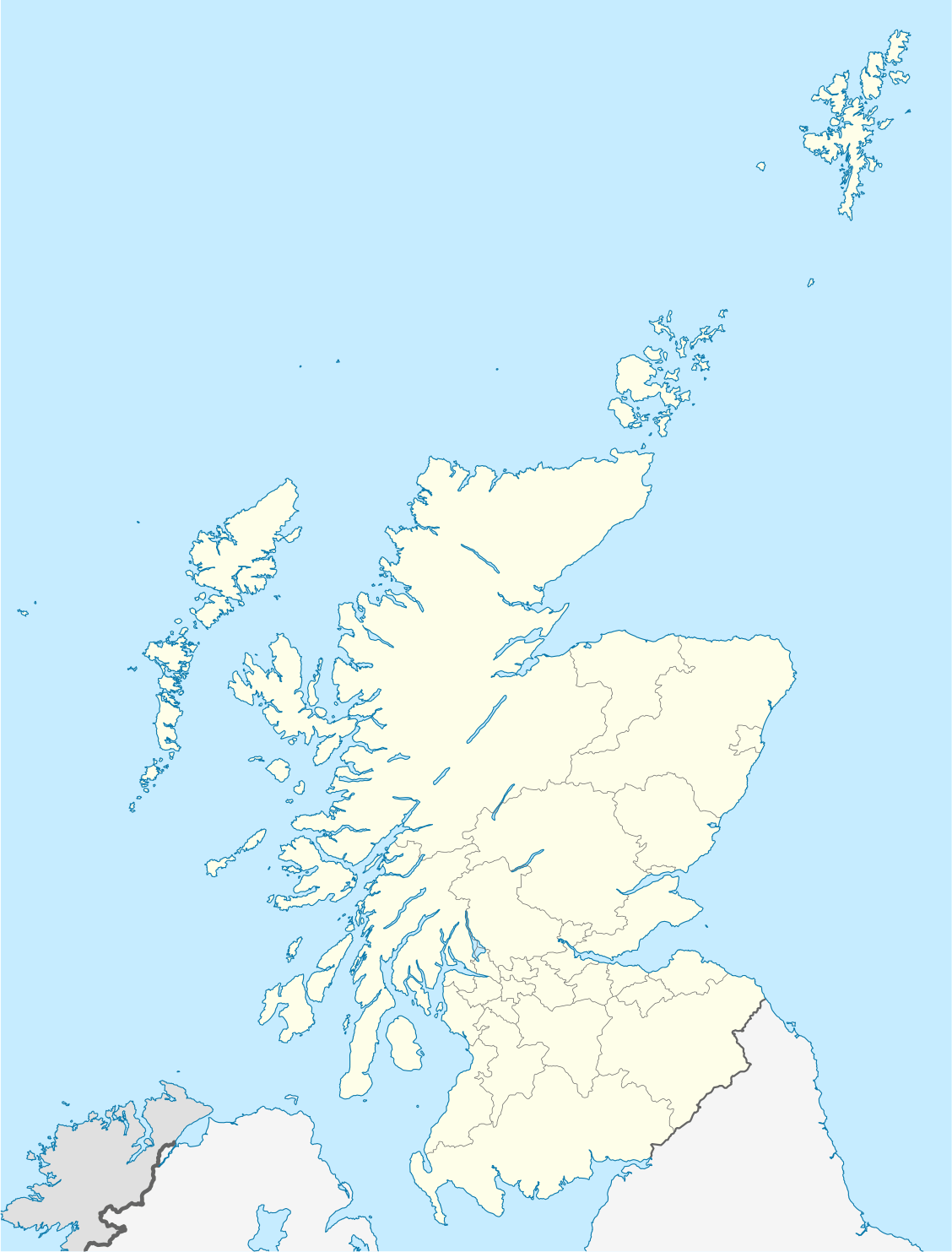
First take Shetland Islands Council's ferry from Lerwick to Bressay, then continue across Bressay to the Noss Sound visitor car park. The council crossing and the NatureScot inflatable are separate services; one running does not imply the other is operating. NatureScot describes a road distance of around six kilometres from the Bressay terminal to Noss Sound, with cycle racks at the visitor car park. A car-free trip therefore needs a realistic cycle, walk or pre-arranged transfer for that leg, with enough energy left for the island walk. Check the return council timetable before setting out and keep a broad margin for queues at Noss. The road estimates below end at the Lerwick departure point and exclude both crossings, the Bressay road leg and walking. The map marks Noss itself, while the postcode is a labelled Lerwick departure-area reference.
Useful bases for an early start.
Where to stay near Noss
Booking.com links are affiliate links: we may earn a commission at no extra cost to you. How these links work.
- 01
Lerwick
About 0.4 miles by road, roughly 2 minutes’ drive to Lerwick Bressay ferry mainland departure; OSRM/OpenStreetMap estimate measured 18 October 2026. After the road journey from Lerwick, add check-in, the sea crossings and onward island travel for Noss National Nature Reserve.
Measured driving route · 2026-10-18. Map estimates exclude live traffic.
A range of accommodation and services before the ferry journey.Find places to stay in Lerwick on Booking.com - 02
Scalloway
About 6.8 miles by road, roughly 14 minutes’ drive to Lerwick Bressay ferry mainland departure; OSRM/OpenStreetMap estimate measured 18 October 2026. After the road journey from Scalloway, add check-in, the sea crossings and onward island travel for Noss National Nature Reserve.
Measured driving route · 2026-10-18. Map estimates exclude live traffic.
A west-side Mainland base with a measured road leg to departure.Find places to stay in Scalloway on Booking.com - 03
Brae
About 23.1 miles by road, roughly 38 minutes’ drive to Lerwick Bressay ferry mainland departure; OSRM/OpenStreetMap estimate measured 18 October 2026. After the road journey from Brae, add check-in, the sea crossings and onward island travel for Noss National Nature Reserve.
Measured driving route · 2026-10-18. Map estimates exclude live traffic.
A northern Mainland base for a wider Shetland itinerary.Find places to stay in Brae on Booking.com
Explore Shetland’s full guides and smaller birding sites
Noss official sightings, safety and contact
Call the Noss Ferry Line on 0800 1077818 after 8am on the intended day in the visitor season. The recorded message is the relevant source for that day's crossing, including any delay. Use NatureScot for access questions and the council for the Lerwick–Bressay service. If plans depend on a transfer across Bressay, confirm its meeting point and return collection separately. Keep a copy of the operator information offline so a weak signal does not leave the group without its return arrangements.
Noss recent bird sightings
Check NatureScot Noss annual bird reports. annual; 2025 report reviewed, not a daily feed Reports show what has been seen, not what will be.
- NatureScot Noss annual bird reportsoperator · updated annual; 2025 report reviewed, not a daily feed
- Shetland Bird Club regional sightings archivecounty club or recorder · updated historical archive; latest visible entries June 2025
Birding sources

Follow the BTO Birders’ Code and give wildlife space.
Questions visitors ask
Is Noss National Nature Reserve free to visit?
Noss National Nature Reserve: Noss ferry £10 adult, £5 child/student; Bressay ferry charged separately.
Can I take my dog to Noss National Nature Reserve?
Noss National Nature Reserve: NatureScot says the Noss ferry is unsuitable for dogs, so arrange a dog-free visit before leaving your accommodation.
When is the best time to visit Noss National Nature Reserve?
Noss National Nature Reserve: Public visitor season normally May–August · breeding seabirds mid-May–mid-July.
Is Noss National Nature Reserve accessible for wheelchairs?
Noss National Nature Reserve: NatureScot's June 2026 FAQ says access can sometimes be possible for a wheelchair user according to individual needs; this requires a specific conversation, not a general claim of wheelchair accessibility.
How do I get to Noss National Nature Reserve without a car?
Noss National Nature Reserve: First take Shetland Islands Council's ferry from Lerwick to Bressay, then continue across Bressay to the Noss Sound visitor car park.
Seasonal guides for when visits resume
Nearby complete guides.
Bird reserves near Noss
Stops with a purpose: use one as a contrasting habitat or weather-proof Plan B. Distances are straight-line estimates, not road journeys.
- About 12 miles away · A useful habitat changeRSPB MousaSpring and autumn passage; seasonal breeding and winter birds
- About 18 miles away · A useful habitat changeRSPB Loch of SpiggieSpring and autumn passage; seasonal breeding and winter birds
- About 22 miles away · A familiar habitatRSPB Sumburgh HeadSpring and summer seabird colony · winter coastal birds