

SC 19 · RSPB reserve guide
RSPB Troup Head
Northfield, Aberdeenshire, Scotland · AB45 3JJ
Gannet, Guillemot, Razorbill

Decide if the visit fits.
RSPB Troup Head at a glance
Last checked 18 October 2026.
- Open
- Reserve and car park open 24 hours (October calendar).More about open
- Price / parking
- Free entry; see operator for parking.More about price / parking
- Best time
- Spring and summer seabird colony · winter coastal birdsMore about best time
- Dogs
- The RSPB asks visitors to keep dogs under close control because…More about dogs
- Toilets
- This is an unstaffed coastal reserve without a visitor centre, c…More about toilets
- Step-free
- Troup Head should not be assumed accessible from the car park si…More about step-free
Opening and charges information · checked .
Stay nearby →On this page
Reserve overview
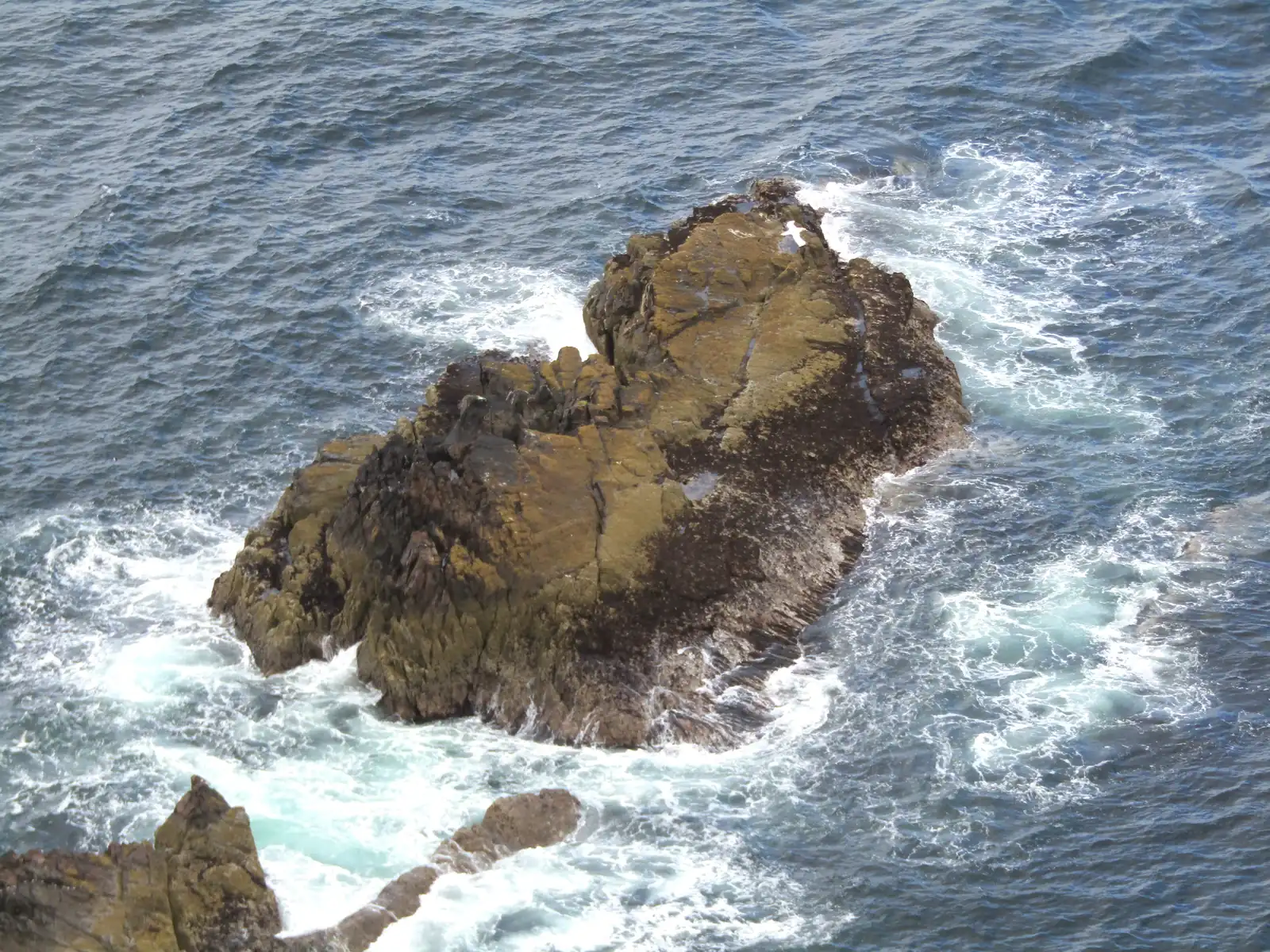
Troup Head reserve and habitat
Gannet, Guillemot, Razorbill
Eight checks for a smoother visit.
Planning your visit to Troup Head
Conditions change: check the operator and transport notices before travelling.
Troup Head best time to visit and seasonal birds
January: typically look for Linnet from Car-park field approach. Winter is a field-edge option rather than the breeding-colony spectacle. Scan from the approach without entering farm ground, and turn back if wind makes the coastal path uncomfortable. February: typically look for Yellowhammer from Car-park field approach. Use a calm daylight window and binoculars for the fields. Do not interpret a summer trip report as a promise of the same flock size or location in winter. March: typically look for Gannet from Headland section of the clifftop path. Colony activity typically builds in spring, with timing varying between years. Walk only if visibility and wind allow; the headland offers no enclosed shelter when the forecast deteriorates. April: typically look for Guillemot and Razorbill from Clifftop path. Compare shape and posture through binoculars before adding a scope. Remain on the public path, leaving the cliff edge and all occupied ledges undisturbed. May: typically look for Kittiwake and Puffin from Headland section of the clifftop path. Give the sea and cliff faces time, without treating Puffin as the dominant attraction. A scope is useful at distance but must never draw you towards a hazardous edge. June: typically look for Gannet and Fulmar from Headland section of the clifftop path. Watch flight styles from a stable position and allow other visitors room to pass. Do not set a tripod where the narrow path forces people towards the cliff. July: typically look for Corn Bunting and Yellowhammer from Car-park field approach. The operator group recorded these along the field approach in July 2025. Listen from the path and keep a respectful distance from birds carrying food or repeatedly alarming. August: typically look for Gannet and Kittiwake from Clifftop path. Late-season colony attendance changes quickly. Read recent reports before committing a long journey, and keep the visit flexible rather than assuming every spring seabird remains throughout August. September: typically look for Swallow and House Martin from Car-park field approach. Watch passage overhead while checking the forecast for any onward cliff walk. A quiet field-edge session remains worthwhile when exposed sea views would be difficult to use safely. October: typically look for Linnet from Car-park field approach. Switch expectations towards open farmland as the main breeding spectacle fades. Choose bright conditions for a careful flock scan and use a shorter route if rain obscures the return. November: typically look for Yellowhammer from Car-park field approach. A compact daylight watch is more sensible than a dark cliff circuit. Access being listed all day does not remove the risks of rough ground, gusts or poor visibility. December: typically look for Linnet and Yellowhammer from Car-park field approach. Keep the winter plan modest and weather-led. Use the established approach, respect farm traffic and leave time to return on uneven ground before the light becomes difficult.
Best conditions: Our choice is a clear spring or summer morning with light wind and enough time for the farmland approach as well as the colony. Shelter is absent and cliffs are unprotected; strong gusts, fog or slippery footing are reasons to abandon the headland. Binoculars are sufficient for close seabird flight; a scope helps distant views without approaching the edge.
Troup Head opening times, entry and facilities
Admission checked 18 October 2026: the RSPB lists adult, child and senior entry free, including non-members. Its published calendar shows the reserve and car park open twenty-four hours. Ordinary entry does not require advance booking. The small car park has about twenty unmarked spaces, so allow flexibility if arriving at a popular time. No separate parking tariff appears on the RSPB charges page; confirm any current charge before making a special trip. Its generic instruction to pay at a visitor centre conflicts with the facilities page, which says there is no centre and no resident staff; the entry table explicitly says free. The homepage still displays a Northfield Road closure for 9–12 May, now in the past. Check the current access position before travelling rather than treating that old notice as a new October closure. The reserve's latest weather and path guidance should shape the day's plan.
Access times: Reserve: October 2026 RSPB calendar lists reserve open 24 hours; exposed cliff paths require suitable daylight, weather and ability. · Hides: No enclosed hide, shelter or formal viewpoint; viewing is from the public coastal path. · Car park: October 2026 calendar lists car park open 24 hours. Check operator road notices before travel. · Dawn access: yes. Operator opening information.
Troup Head trails, hides and visit length
The signed approach from Northfield leads from the car park towards the cliff reserve. The RSPB describes roughly 920m to the reserve gate and a further 550m of path within the reserve. This is a compact walking route whose birdwatching value comes from time spent standing and scanning, rather than from a long marked circuit. Follow the signs through the working farm approach and leave gates as directed. There are no formal viewing platforms or hides. The cliff path itself offers informal places to watch the seabird ledges. Choose a secure position without blocking other walkers, and keep well back from the unprotected edge. A telescope can help examine the colony from a comfortable distance, but binoculars are easier for following gannets circling above the water. The calling and movement of the colony are as much part of the experience as any individual photograph. Two-hour plan, editorial suggestion: allow a generous outward walk, then spend the main watching session at one suitable point along the permitted path. Begin by distinguishing gannets, auks and gulls in flight before studying a small section of cliff. Leave enough time for the return journey without hurrying over uneven ground. If the weather turns, shorten the viewing spell rather than pressing farther along the cliff. Full-day plan, editorial suggestion: make a morning colony watch, leave the exposed path for a lunch break, then return for another session if conditions remain suitable. Compare the same ledges at different times: feeding exchanges, resting birds and flights over the sea change the scene continually. A separate visit to the nearby coastal settlements can fit between sessions, but avoid planning so many stops that the colony gets only a hurried look. Leave space in a multi-day coastal itinerary to move this visit to the most suitable weather window.
Where to watch at Troup Head
Use the linked reserve map and directions with current access notices. Species are typical seasonal targets. Light and telescope advice reflects our choice of viewpoint.
Car-park field approachWinter · Spring · Summer · Autumn
Farm fields and open sky along the public approach
Use the public approach, not working fields; narrow pedestrian gate and slopes.
Winter: Linnet, Yellowhammer
Spring: Linnet, Yellowhammer, Corn Bunting, House Martin, Swallow
Summer: Linnet, Yellowhammer, Corn Bunting, House Martin, Swallow
Autumn: Linnet, Yellowhammer, House Martin, Swallow
Light: either. Scope: not needed.
Clifftop pathWinter · Spring · Summer · Autumn
Coastal cliffs and passing seabirds
Narrow, uneven unsurfaced path close to unprotected cliffs; no formal viewing platform.
Winter: Peregrine
Spring: Guillemot, Razorbill, Kittiwake, Peregrine
Summer: Guillemot, Razorbill, Kittiwake, Peregrine
Autumn: Peregrine
Light: either. Scope: useful.
Tide: Public clifftop viewing; no shore access or tide-height threshold implied.
Headland section of the clifftop pathSpring · Summer · Autumn
Headland cliffs, sea and seabird flight
Part of the same coastal path, not a separate named hide; stay well back from edges.
Spring: Gannet, Puffin, Fulmar
Summer: Gannet, Puffin, Fulmar
Autumn: Gannet, Fulmar
Light: either. Scope: useful.
Tide: Choose safe visibility and wind rather than an unverified optimum tide.
| Spot | Overlooks | Key species by season | Best light | Scope | Tide |
|---|---|---|---|---|---|
| Car-park field approachUse the public approach, not working fields; narrow pedestrian gate and slopes. | Farm fields and open sky along the public approach | Winter: Linnet, Yellowhammer Spring: Linnet, Yellowhammer, Corn Bunting, House Martin, Swallow Summer: Linnet, Yellowhammer, Corn Bunting, House Martin, Swallow Autumn: Linnet, Yellowhammer, House Martin, Swallow | either | not needed | — |
| Clifftop pathNarrow, uneven unsurfaced path close to unprotected cliffs; no formal viewing platform. | Coastal cliffs and passing seabirds | Winter: Peregrine Spring: Guillemot, Razorbill, Kittiwake, Peregrine Summer: Guillemot, Razorbill, Kittiwake, Peregrine Autumn: Peregrine | either | useful | Public clifftop viewing; no shore access or tide-height threshold implied. |
| Headland section of the clifftop pathPart of the same coastal path, not a separate named hide; stay well back from edges. | Headland cliffs, sea and seabird flight | Spring: Gannet, Puffin, Fulmar Summer: Gannet, Puffin, Fulmar Autumn: Gannet, Fulmar | either | useful | Choose safe visibility and wind rather than an unverified optimum tide. |
Target species at Troup Head
Month chips show typical presence or our preferred viewing season. Choose birds that suit the time of your visit.
Headline birds
- MarAprMayJunJulAugSep
- GuillemotClifftop pathClifftop pathAprMayJunJul
- RazorbillClifftop pathClifftop pathAprMayJunJul
- KittiwakeClifftop pathClifftop pathAprMayJunJulAug
Regular birds
- MayJunJul
- MarAprMayJunJulAugSep
- JanFebMarAprMayJunJulAugSepOctNovDec
- YellowhammerCar-park field approachCar-park field approachJanFebMarAprMayJunJulAugSepOctNovDec
- Corn BuntingCar-park field approachCar-park field approachMarAprMayJunJulAug
- House MartinCar-park field approachCar-park field approachAprMayJunJulAugSep
- AprMayJunJulAugSep
- JanFebMarAprMayJunJulAugSepOctNovDec
Tide planning
Watch from the public clifftop path in safe wind and visibility. No operator optimum tide was verified for colony viewing, and no shore route or landing is recommended.
UKHO EasyTide: Banff — nearby UKHO reference, not a local correction · RNLI tide safety
Troup Head accessibility and step-free routes
Troup Head should not be assumed accessible from the car park simply because the approach is short. The RSPB describes unconsolidated hardcore, slopes and a path about 1.2m wide towards the reserve gate. Although one gate is described as accessible, other gates have restricted openings, with the smallest stated as thirty-five centimetres. There are also steep flights of steps. Within the reserve, the path is narrow, uneven and unsurfaced, with exposed stretches near unprotected cliff edges. These conditions are significant for a wheelchair, scooter, pushchair or anyone who needs a predictable level surface. Contact the RSPB before committing to the journey if any section could limit your visit; give your equipment width and describe whether steps or steep ground are manageable. No designated accessible parking spaces are provided, and the nearest accessible toilets and baby-changing facilities identified by the operator are in Banff, around eleven miles away. There is no shelter or formal platform to act as an alternative destination when the path is unsuitable. A seated observer should also consider wind exposure and the availability of a safe resting position before choosing a lengthy watch.
Troup Head visitor facilities
This is an unstaffed coastal reserve without a visitor centre, café, shop or toilets. The RSPB names Gardenstown and Pennan as nearby places for refreshments, with further options in Macduff and Banff. Bring food and drinking water for the walking component, together with a warm windproof layer for stationary viewing. Pack optics so that you can keep your hands free on awkward ground. A rubbish bag is useful for taking everything home, since a small item can easily blow towards the sea.
Troup Head dog rules
The RSPB asks visitors to keep dogs under close control because of nesting birds and exposed cliff edges. A short lead is a sensible way to do that on this route. Visitors with assistance dogs are welcome at RSPB Troup Head. Keep a dog beside you at gates and narrow sections, and clear up after it.
Troup Head public transport and getting there
Watermill Coaches currently lists route 273 between Banff and Gardenstown, operating Monday–Saturday. This can provide a useful coastal-town connection, but it is not a direct bus to the reserve gate. Arrange a taxi for the final transfer if you are not undertaking a separately planned walk, and confirm the return before leaving the bus corridor. Avoid using old references to Stagecoach route272 as proof of a current reserve service. The RSPB identifies Huntly railway station as around thirty-one road miles away, so a rail-based trip requires a substantial onward transfer. Compare the cost and availability of a pre-booked taxi with a longer stay on the coast. Drivers approach from the B9031 between Gardenstown and Pennan, following brown RSPB signs and the Northfield Farm turn. The operator also mentions a walking path from Crovie and boat views from Macduff; treat either as a separately planned itinerary with its own conditions rather than an effortless substitute for the signed reserve approach.
Useful bases for an early start.
Where to stay near Troup Head
Booking.com links are affiliate links: we may earn a commission at no extra cost to you. How these links work.
- 01
Gardenstown
About 3.0 miles by road, roughly 12 minutes' drive (OSRM estimate, measured 18 October 2026; not live traffic).
Measured driving route · 18 October 2026. Map estimates exclude live traffic.
A nearby coastal village for flexible colony visits.Find places to stay in Gardenstown on Booking.com - 02
Banff
About 11.3 miles by road, roughly 22 minutes' drive (OSRM estimate, measured 18 October 2026; not live traffic).
Measured driving route · 18 October 2026. Map estimates exclude live traffic.
A town base with the current route 273 connection towards Gardenstown.Find places to stay in Banff on Booking.com - 03
Fraserburgh
About 14.5 miles by road, roughly 27 minutes' drive (OSRM estimate, measured 18 October 2026; not live traffic).
Measured driving route · 18 October 2026. Map estimates exclude live traffic.
A coastal town for combining Troup with other north-east birdwatching.Find places to stay in Fraserburgh on Booking.com
Explore Aberdeenshire’s full guides and smaller birding sites
Troup Head official sightings, safety and contact
Contact the RSPB at strathbeg@rspb.org.uk or 01346 532017 for reserve enquiries. The published address is Scotland Troup Head, Banff, Aberdeenshire, AB45 3JJ. Give the date of your intended trip when asking about the Northfield approach, since an old dated road notice remains on the homepage. The facilities page additionally directs education enquiries to the East Scotland office at esro@rspb.org.uk. Read the operator's main reserve and access pages together when planning the route.
Troup Head recent bird sightings
Check RSPB Aberdeen Troup Head bird report. dated July 2025 visit archive Reports show what has been seen, not what will be.
- RSPB Aberdeen Troup Head bird reportoperator · updated dated July 2025 visit archive
- SOC Scottish regional bird-records archivecounty club or recorder · updated archived seasonal records; not a live colony feed
Birding sources
Follow the BTO Birders’ Code and give wildlife space.
Questions visitors ask
Is RSPB Troup Head free to visit?
RSPB Troup Head: Free entry; see operator for parking.
Can I take my dog to RSPB Troup Head?
RSPB Troup Head: The RSPB asks visitors to keep dogs under close control because of nesting birds and exposed cliff edges.
When is the best time to visit RSPB Troup Head?
RSPB Troup Head: Spring and summer seabird colony · winter coastal birds.
Is RSPB Troup Head accessible for wheelchairs?
RSPB Troup Head: Troup Head should not be assumed accessible from the car park simply because the approach is short.
How do I get to RSPB Troup Head without a car?
RSPB Troup Head: Watermill Coaches currently lists route 273 between Banff and Gardenstown, operating Monday–Saturday.
Best months for this reserve
Nearby complete guides.
Bird reserves near Troup Head
Stops with a purpose: use one as a contrasting habitat or weather-proof Plan B. Distances are straight-line estimates, not road journeys.
- About 15 miles away · A useful habitat changeRSPB Loch of StrathbegAutumn–winter · spring migration
- About 27 miles away · A useful habitat changeForvie National Nature Reserve and Ythan EstuaryYear-round · spring eiders and terns · winter waders
- About 49 miles away · A useful habitat changeFindhorn Bay Local Nature ReserveWinter geese and wildfowl · passage waders · summer osprey