
Short entry7.7 miles away
Pease Dean
Public car park beside Pease Bay Holiday Park · Ancient wooded deans, streams and wet sheltered slopes
 the ai birderBirding near me
The AI Birder · one-page field sheet
St Abbs, Scottish Borders · TD14 5QF

Shag · Herring Gull · Fulmar · Chiffchaff · Meadow Pipit · Linnet
Starney Bay all-ability viewpoint · Lighthouse Loop public clifftop viewpoints · Mire Loch Loop public path · Pettico Wick public coastal view · Discovery Trail grassland and Kirk Hill public path
Check current access, hide closures and operator notices before travelling. Seasonal birds are possibilities, not promised sightings. Keep to authorised routes and give wildlife space.
Opening and charges checked 2026-10-25. Operator: https://www.nts.org.uk/visit/places/st-abbs-head
Full guide and current source links: https://aibirder.co.uk/reserves/st-abbs-head-national-nature-reserve
SC 21 · National Trust for Scotland reserve guide
St Abbs, Scottish Borders
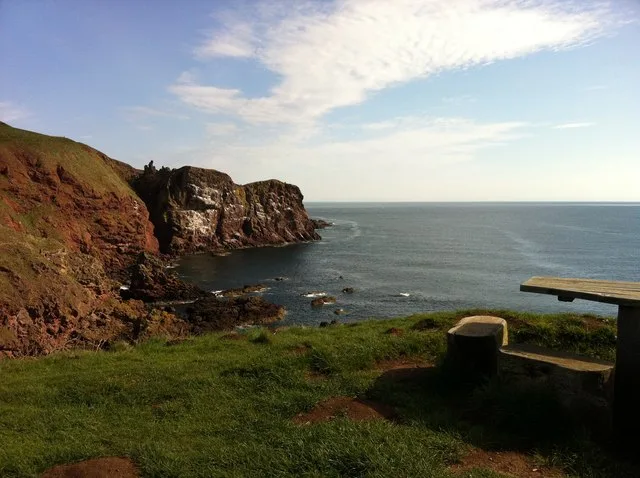
Guillemots, kittiwakes and razorbills on the summer cliffs
Decide if the visit fits.
Last checked 18 October 2026.
Opening and charges information · checked .
Stay nearby →Reserve overview
Guillemots, kittiwakes and razorbills on the summer cliffs
Eight checks for a smoother visit.
Conditions change: check the operator and transport notices before travelling.
January: typically watch for Fulmar from Starney Bay all-ability viewpoint. The short official viewpoint offers a practical start in brief daylight, provided wind and footing are safe; do not expect the full summer colony. February: typically watch for Shag from Pettico Wick public coastal view. Watch from the public route without descending towards rocks or winter seal gatherings. Strong wind is a reason to shorten or postpone the outing. March: typically watch for Meadow Pipit from Discovery Trail grassland and Kirk Hill public path. Listen and scan from the existing grassland path, leaving feeding birds undisturbed instead of walking towards a closer photograph. April: typically watch for Chiffchaff from Mire Loch Loop public path. The inland loch loop gives a contrasting birding session when the coast is exposed; spring arrival dates vary and songbirds can remain concealed. May: typically watch for Guillemot from Lighthouse Loop public clifftop viewpoints. May–July is the Trust’s main seabird season. Enjoy public cliff views without seeking nest ledges or leaning beyond a safe path position. June: typically watch for Kittiwake from Lighthouse Loop public clifftop viewpoints. Pause at an official viewpoint long enough to follow feeding flights and interactions. A busy colony can be appreciated without moving closer to its edge. July: typically watch for Razorbill from Lighthouse Loop public clifftop viewpoints. Many auks depart after breeding, so treat the month as a broad season rather than a promise of occupied cliffs throughout every week. August: typically watch for Willow Warbler from Mire Loch Loop public path. Woodland cover changes how easily migrants are seen. A quiet listening pause is often more useful than following calls away from the maintained loop. September: typically watch for Wheatear from Discovery Trail grassland and Kirk Hill public path. Passage varies with weather and birds can move quickly; keep to public trail edges rather than crossing grazing or flower-rich ground in pursuit. October: typically watch for Linnet from Discovery Trail grassland and Kirk Hill public path. A supporting grassland watch can reward an autumn visit even when the main breeding colony has dispersed and rare migrants do not appear. November: typically watch for Herring Gull from Pettico Wick public coastal view. The Nature Centre is seasonal, while outdoor paths and toilets have different arrangements. Take warm layers for a stationary coastal watch. December: typically watch for Fulmar from Starney Bay all-ability viewpoint. Choose the short accessible route if the longer cliff loop is unsuitable. No winter sea view is worth continuing when gusts or visibility become unsafe.
Best conditions: Usually choose a calmer, clear spell for cliff watching and use the inland Mire Loch route for a contrasting sheltered session. The lighthouse road is not proof that every rough clifftop path is wheelchair-accessible. In high wind or poor visibility, use the short Starney Bay viewpoint only if safe, or return another day. Keep all observations to official paths and viewpoints without approaching ledges or seal beaches.
Reserve admission is free. The National Trust for Scotland lists parking at £5 per day, free for members, checked on 18 October 2026. Use the signed reserve parking area at Northfield rather than assuming that harbour parking belongs to the Trust. The reserve car park is unsuitable for coaches; groups should contact the operator for the separate arrangement it describes with neighbouring Borders Pottery. Check the current Trust notice and weather before travelling, because a sheltered village forecast can conceal strong wind on the headland. A walk can be shortened at the first coastal viewpoint without abandoning the visit altogether. The short all-ability path leads from the Nature Centre to the first Starney Bay cliff view; the steeper lighthouse and Mire Loch routes need a separate assessment of footing and mobility.
Access times: Reserve: NTS: open all year, daily; no separate whole-reserve gate timetable published. · Hides: No enclosed bird-hide network. Public cliff viewpoints and named loops; Nature Centre 1 April–30 November 09:00–17:00, closed 1 December–31 March 2027. Toilets daily all year. · Car park: Official Northfield reserve parking advertised; no independent daily locking time verified. Lighthouse/Pettico Wick small parking areas assist less mobile visitors; coach arrangement separate. · Dawn access: partly. Operator opening information.
The Trust offers the Discovery Trail, extended Lighthouse Loop and inland Mire Loch Loop. Its published full headland walk is about six kilometres, taking two to three hours as a walking route before long birdwatching stops. From the Nature Centre, follow the broad path towards the village and turn towards the coast by the walled garden. This first view towards Starney Bay gives an immediate impression of the cliff scenery. The longer route continues around Kirk Hill towards the lighthouse, then follows the clifftop seabird views and turns towards Pettico Wick. Return either by the lighthouse road or the signed loch-side option. The latter includes a steeper climb back to the road. Treat the named loops as choices rather than assuming you must join every section into one strenuous circuit. There are no bird hides forming a conventional reserve circuit: the principal watches are outdoors, looking across bays or down towards ledges from safe positions. Two-hour plan: start at the Nature Centre and spend time at the Starney Bay viewpoint before walking only as far along the coastal route as your available time and conditions allow. Make one sustained seabird watch, then return by the same familiar approach or a clearly signed short connection. In a cold winter wind, substitute the shorter coastal view and an inland watch for a rushed attempt at the lighthouse. Full-day plan: in settled summer conditions, spend the morning following the Discovery and Lighthouse routes, pausing where guillemots and kittiwakes can be watched without crowding the edge. Take lunch at a permitted picnic spot, then use the Mire Loch return for a different habitat and a slower afternoon. Leave time for the Nature Centre within its seasonal opening window. Stay back from cliffs throughout, and use the mapped paths rather than making shortcuts across the nesting slopes.
Use the linked reserve map and directions with current access notices. Species are typical seasonal targets. Light and telescope advice reflects our choice of viewpoint.
Southern cliffs, coastal water and seabirds
Official short all-ability path from Nature Centre; no descent to ledges.
Winter: Fulmar, Shag
Spring: Guillemot, Razorbill
Summer: Guillemot, Kittiwake, Fulmar
Autumn: Shag, Fulmar
Light: either. Scope: useful.
Northern cliffs, stacks and surrounding sea
Use the official clifftop trail, well back from edges. Lighthouse road access assists less mobile visitors but onward rough paths differ.
Winter: Fulmar, Herring Gull
Spring: Guillemot, Razorbill, Kittiwake
Summer: Guillemot, Razorbill, Kittiwake, Gannet
Autumn: Fulmar, Shag
Light: either. Scope: useful.
Freshwater loch, willow and woodland margins
Signed inland loop; muddy path and steep return options. Winter focus is broader loch habitat, not a promise of migrant warblers.
Spring: Chiffchaff, Willow Warbler
Summer: Willow Warbler
Autumn: Chiffchaff, Willow Warbler
Light: either. Scope: not needed.
Coastline and offshore water from signed walk
Official route reaches Pettico Wick from lighthouse road; do not approach seal beaches or descend cliffs.
Winter: Shag, Fulmar
Spring: Shag, Herring Gull
Summer: Fulmar, Gannet
Autumn: Shag, Fulmar
Light: either. Scope: useful.
Public grassland trail edges and slopes
Keep to signed path and livestock instructions; Kirk Hill option is steeper and not essential for the first coastal view.
Winter: Linnet, Meadow Pipit
Spring: Wheatear, Linnet, Meadow Pipit
Summer: Wheatear, Meadow Pipit
Autumn: Linnet, Meadow Pipit
Light: either. Scope: not needed.
| Spot | Overlooks | Key species by season | Best light | Scope | Tide |
|---|---|---|---|---|---|
| Starney Bay all-ability viewpointOfficial short all-ability path from Nature Centre; no descent to ledges. | Southern cliffs, coastal water and seabirds | Winter: Fulmar, Shag Spring: Guillemot, Razorbill Summer: Guillemot, Kittiwake, Fulmar Autumn: Shag, Fulmar | either | useful | — |
| Lighthouse Loop public clifftop viewpointsUse the official clifftop trail, well back from edges. Lighthouse road access assists less mobile visitors but onward rough paths differ. | Northern cliffs, stacks and surrounding sea | Winter: Fulmar, Herring Gull Spring: Guillemot, Razorbill, Kittiwake Summer: Guillemot, Razorbill, Kittiwake, Gannet Autumn: Fulmar, Shag | either | useful | — |
| Mire Loch Loop public pathSigned inland loop; muddy path and steep return options. Winter focus is broader loch habitat, not a promise of migrant warblers. | Freshwater loch, willow and woodland margins | Spring: Chiffchaff, Willow Warbler Summer: Willow Warbler Autumn: Chiffchaff, Willow Warbler | either | not needed | — |
| Pettico Wick public coastal viewOfficial route reaches Pettico Wick from lighthouse road; do not approach seal beaches or descend cliffs. | Coastline and offshore water from signed walk | Winter: Shag, Fulmar Spring: Shag, Herring Gull Summer: Fulmar, Gannet Autumn: Shag, Fulmar | either | useful | — |
| Discovery Trail grassland and Kirk Hill public pathKeep to signed path and livestock instructions; Kirk Hill option is steeper and not essential for the first coastal view. | Public grassland trail edges and slopes | Winter: Linnet, Meadow Pipit Spring: Wheatear, Linnet, Meadow Pipit Summer: Wheatear, Meadow Pipit Autumn: Linnet, Meadow Pipit | either | not needed | — |
Month chips show typical presence or our preferred viewing season. Choose birds that suit the time of your visit.
Eyemouth predictions provide local coastal context. Official cliff paths have no tidal crossing: wind, swell and visibility govern the watch. Never descend to ledges or use low water to approach seabird or seal areas.
The Nature Centre is wheelchair accessible, with accessible parking at the main reserve car park and an accessible toilet beside the centre. Wheelchair-accessible picnic benches are available outside the centre and neighbouring coffee shop. A short all-ability path reaches a viewpoint at the start of the coastal path, overlooking the cliffs towards Starney Bay. This is the operator's clearest option for a shorter outing without committing to the rugged headland circuit. For visitors with walking difficulties, the private lighthouse road is kept open and reaches a small parking area before the lighthouse. There are also small parking areas at Pettico Wick. Discuss the permitted approach and available spaces with the Trust before travelling; these limited areas do not replace the main visitor car park for general use. From the lighthouse parking, the routes towards the cliff tops are rough and stony. The Trust warns that many cliff viewpoints are unsuitable for wheelchairs and difficult for buggies. The full coastal walk includes steep descents and climbs, and the loch-side option also has a steep connecting section. Choose the exact viewpoint according to surface and exposure, not simply its distance on the map. Numerical widths and gradients of the all-ability path were not published in the material checked, so seek specific measurements beforehand if required by your chair or walking aid.
The Nature Centre introduces the headland's wildlife, geology and history. There is no Trust-operated café, but Borders Pottery next door has a separately run café, and St Abbs village has other options. Bring water and food for a long headland watch rather than depending on a café's opening day. Keep food secure during your coastal watch and take wrappers back to the village. Bicycle racks are available in the reserve car park. The headland is a no-drone area unless the relevant Trust permission has been obtained.
Dogs are welcome under close control, with leads near livestock; the Trust's published walking route asks for dogs on leads. Keep well clear of cliff edges and nesting birds. Waste bins are at the car park and near the start of the walks, so carry a sealed container for the longer headland sections and take waste back with you.
Borders Buses service 235 runs between Berwick-upon-Tweed and St Abbs via Eyemouth and Coldingham. This provides a practical onward connection after a train to Berwick, with the operator's date selector giving the actual journeys for your travel day. The Trust says the bus can stop on request beside the reserve car park. Tell the driver where you want to alight, and identify the return stop before heading onto the coastal path. Reston is geographically the nearest railway station, six miles away according to the Trust, but a nearby station does not automatically provide the simplest onward bus connection. A pre-arranged taxi from Reston is another option. From Edinburgh, compare the rail-and-235 route through Berwick with available connecting buses using the transport operators' planners. Cyclists have quiet coastal-road options and bike racks at Northfield. Drivers should follow signs for the nature reserve from the B6438; choosing the harbour by mistake adds a separate parking arrangement and a walk through the village.
Useful bases for an early start.
Booking.com links are affiliate links: we may earn a commission at no extra cost to you. How these links work.
About 0.5 miles by road, roughly 2 minutes’ drive (OSRM, measured 18 October 2026; estimate without live traffic).
Measured driving route · 18 October 2026. Map estimates exclude live traffic.
A base in St Abbs suits a longer break that includes St Abbs Head National Nature Reserve.Find places to stay in St Abbs on Booking.comAbout 4.2 miles by road, roughly 9 minutes’ drive (OSRM, measured 18 October 2026; estimate without live traffic).
Measured driving route · 18 October 2026. Map estimates exclude live traffic.
A base in Eyemouth suits a longer break that includes St Abbs Head National Nature Reserve.Find places to stay in Eyemouth on Booking.comAbout 14.3 miles by road, roughly 21 minutes’ drive (OSRM, measured 18 October 2026; estimate without live traffic).
Measured driving route · 18 October 2026. Map estimates exclude live traffic.
A base in Berwick-upon-Tweed suits a longer break that includes St Abbs Head National Nature Reserve.Find places to stay in Berwick-upon-Tweed on Booking.comExplore Scottish Borders’s full guides and smaller birding sites
Contact the National Trust for Scotland team on 01890 771443 or st.abbs@nts.org.uk for reserve enquiries, accessible-road arrangements and organised visits. Use the Trust's planning page for facilities and its walking guide for the actual route, rather than confusing the Nature Centre with the separate St Abbs village visitor attraction. For bus journeys, consult Borders Buses service 235 directly. If you have a particular access requirement, describe the viewing point and the equipment you intend to use so the team can advise about that approach.
Check SOC actual 2026 regional spring bird records. completed table to 9 June 2026; actual Borders observations, not a daily St Abbs feed Reports show what has been seen, not what will be.
Follow the BTO Birders’ Code and give wildlife space.
St Abbs Head National Nature Reserve: Free admission; parking £5.
St Abbs Head National Nature Reserve: Dogs are welcome under close control, with leads near livestock; the Trust's published walking route asks for dogs on leads.
St Abbs Head National Nature Reserve: May–July seabird colonies; year-round coastal walks.
St Abbs Head National Nature Reserve: The Nature Centre is wheelchair accessible, with accessible parking at the main reserve car park and an accessible toilet beside the centre.
St Abbs Head National Nature Reserve: Borders Buses service 235 runs between Berwick-upon-Tweed and St Abbs via Eyemouth and Coldingham.
Shorter stops within 15 miles in a straight line. Use the operator’s arrival directions for the journey.
Public car park beside Pease Bay Holiday Park · Ancient wooded deans, streams and wet sheltered slopes
Public estate approach from Castle Street, Duns · Castle loch, pond and mature mixed woodland
Nearby complete guides.
Stops with a purpose: use one as a contrasting habitat or weather-proof Plan B. Distances are straight-line estimates, not road journeys.