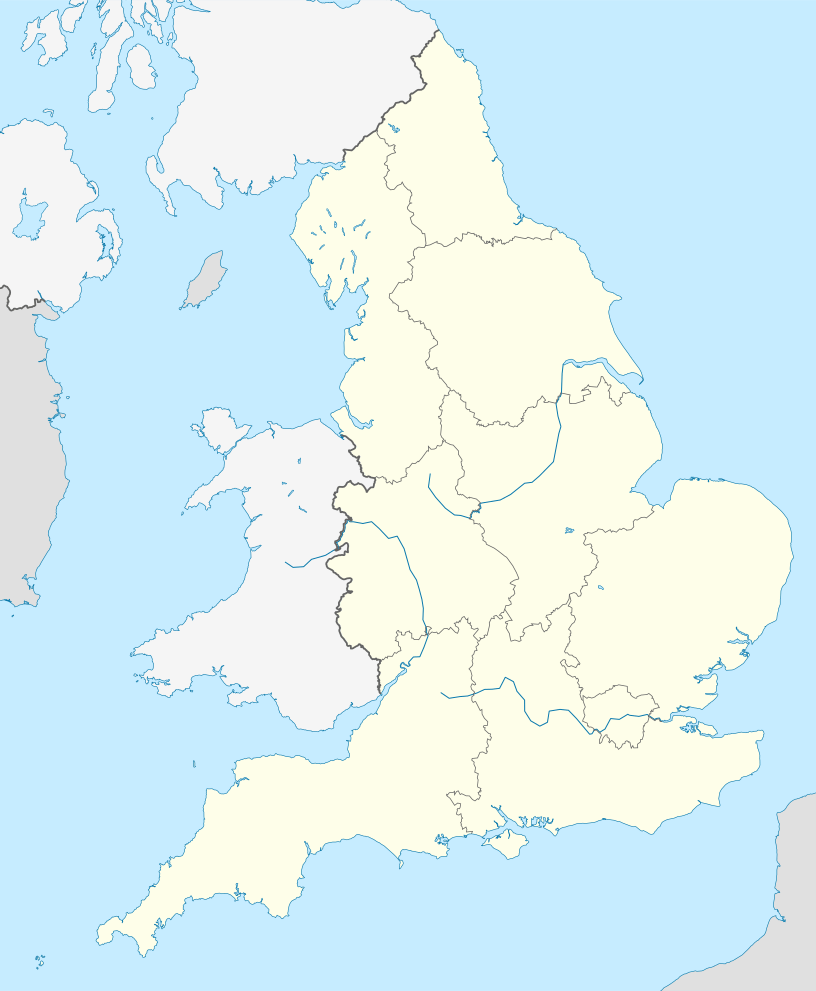

Short entry1.8 miles away
Amwell Nature Reserve
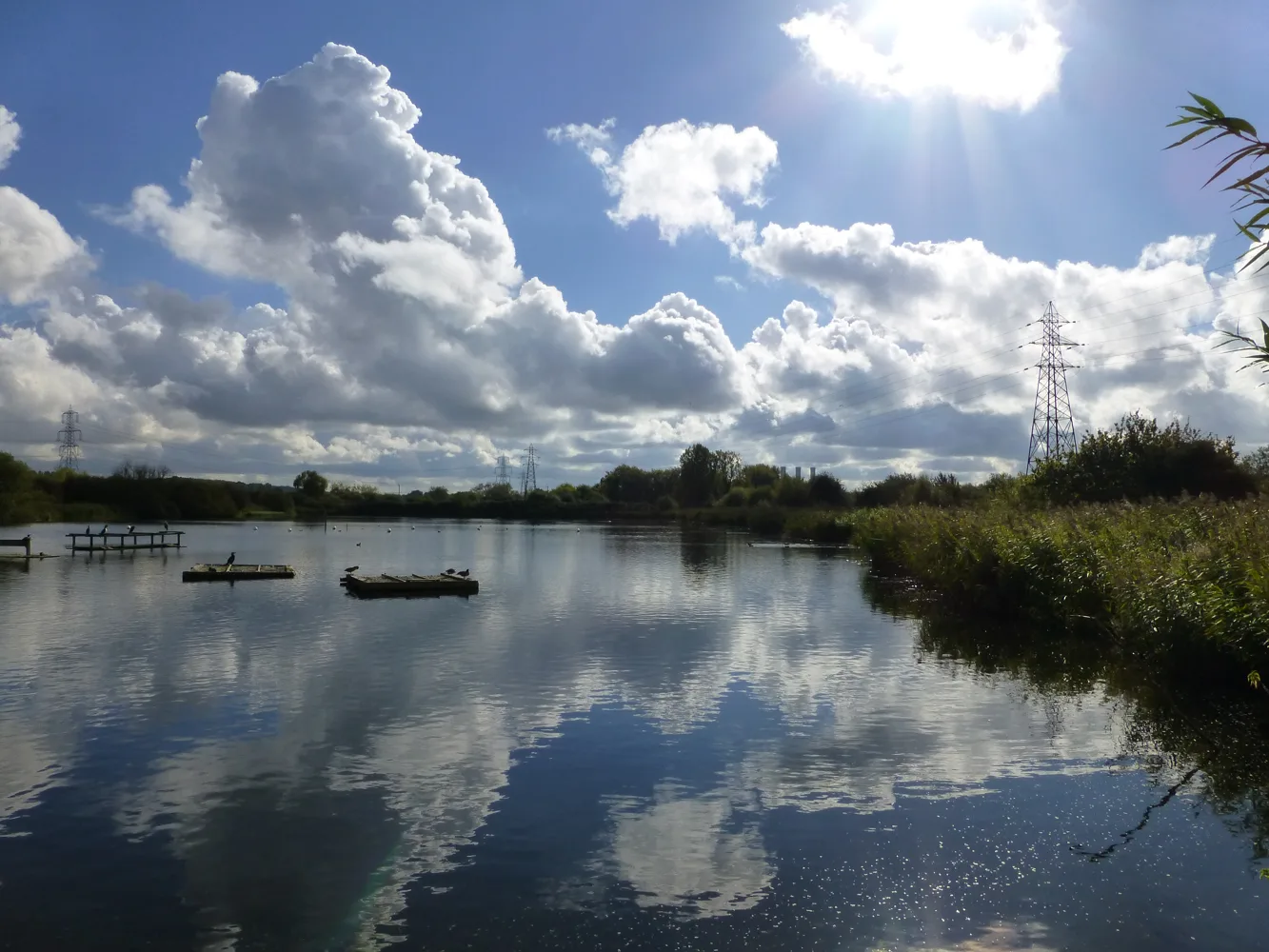
Great Amwell, near Ware · Former gravel pit, open lake, reedbeds and wet woodland
 the ai birderBirding near me
The AI Birder · one-page field sheet
Hoddesdon, Hertfordshire · SG12 8JS

Access notice: Rye Meads closes from 2 November 2026 for transfer to Thames Water. No reopening date has been announced.
Snipe · Kingfisher · Green Sandpiper · Shoveler · Gadwall · Tufted Duck
Draper Hide · Gadwall Hide · Tern Hide · Kingfisher Hub · Lapwing Hide · Ashby Hide · Warbler Hide · Otter viewing facility · Public trail between the lagoon hides
Check current access, hide closures and operator notices before travelling. Seasonal birds are possibilities, not promised sightings. Keep to authorised routes and give wildlife space.
Opening and charges checked 2026-10-18. Operator: https://www.rspb.org.uk/days-out/reserves/rye-meads
Full guide and current source links: https://aibirder.co.uk/reserves/rspb-rye-meads
EN 41 · RSPB reserve guide
Hoddesdon, Hertfordshire
Kingfishers from dedicated viewpoints and summer common terns
Decide if the visit fits.
Last checked 18 October 2026.
Opening and charges information · checked .
Stay nearby →Reserve overview
Kingfishers from dedicated viewpoints and summer common terns
Eight checks for a smoother visit.
Conditions change: check the operator and transport notices before travelling.
Seasonal context below applies only during officially confirmed visitor access. Rye Meads closes from 2 November 2026 and no reopening date is announced. January: typically look for Shoveler and Snipe from Draper Hide. This is typical seasonal context, usable only after confirmed reopening. January 2027 access is not established by the old RSPB hours, and no former hide should be approached through a locked entrance. February: typically look for Pochard and Wigeon from Tern Hide. Check the future operator’s access announcement before planning a lake watch. The historical hide network explains the birding layout; it does not establish which paths or buildings will reopen. March: typically look for Water Rail from Gadwall Hide. A patient reed-edge watch is the usual method during authorised access. Keep voices low and scan gaps without entering cover; the closure notice takes priority over any seasonal recommendation. April: typically look for Common Tern and Reed Warbler from Tern Hide. Typical spring arrival varies with weather. If access has officially resumed, watch from the designated hide and listen along open paths; do not approach artificial banks or nesting rafts. May: typically look for Sedge Warbler and Chiffchaff from Public trail between the lagoon hides. Listen from an authorised trail rather than following birds into reeds. The actual April 2025 operator-group visit supports these local spring species, without promising that a future route remains unchanged. June: typically look for Common Tern and Gadwall from Tern Hide. When public access is confirmed, spend time comparing open water and margins. Keep nests and young out of the route plan, and use only facilities explicitly available under the new arrangements. July: typically look for Green Sandpiper from Draper Hide. Returning birds typically favour suitable shallow edges, but water levels can change the scrape completely. Check current reports and authorised access rather than using the calendar as evidence of an open gate. August: typically look for Little Grebe and Grey Heron from Draper Hide. A slow scan can reveal birds missed by a quick look from a window. This remains conditional visitor advice: wait for official reopening information before travelling during the management transition. September: typically look for Snipe and Water Rail from Gadwall Hide. If access is operating, allow a quiet watch for secretive birds instead of walking repeatedly between hides. Never step beyond the public trail to improve a view through cut vegetation. October: typically look for Grey Wagtail from Draper Hide and Stonechat from Lapwing Hide. These are supported by actual October 2026 operator reports, with Grey Wagtail watched from Draper Hide and Stonechat from Lapwing Hide. Visit only within the published pre-closure hours or subsequently confirmed arrangements. November: typically look for Shoveler and Gadwall from Gadwall Hide. The reserve closes from 2 November 2026. This paragraph describes typical bird seasonality, not permission to visit: no reopening date is supplied and the historical hide route must not be used independently. December: typically look for Tufted Duck and Snipe from Draper Hide. Winter birding here remains dependent on an official access update. Use another open reserve while closure continues; a recent bird record does not authorise entry or demonstrate that a hide is available.
Best conditions: During authorised visitor operation, choose clear, calm conditions for slow scrape and reed-edge scans, with quiet listening between hides. Use a scope for distant lagoon birds and binoculars for nearer edges. Check both access and recent water conditions before travelling; closure from 2 November 2026 overrides any seasonal fieldcraft advice.
Rye Meads closes from Monday 2 November 2026 while management returns from the RSPB to the landowner, Thames Water. The RSPB says Thames Water intends to keep public access, but neither the reserve notice nor the handover announcement supplies a reopening date. Do not book travel after that date on the assumption the present arrangements continue. Before the closure, the October 2026 calendar lists the reserve, visitor centre, toilets and parking as 9am–5pm. Admission for adults and children is free. The charges page lists non-member car parking £5, motorcycles £2, minibuses £6 and coaches £12. Parking at RSPB Rye Meads is free for RSPB members and Blue Badge holders. These are the published RSPB-era charges, checked on 18 October 2026, rather than prices for a future Thames Water operation. The gate is locked outside opening hours. Check the official closure update before travelling; access, fees and services will need a fresh review when reopening is announced.
Access times: Reserve: Before closure, October 2026 calendar lists 9am–5pm. Reserve closes from Monday 2 November 2026 for transfer to Thames Water; no reopening date announced. · Hides: RSPB-era hides operate only within visitor access. From 2 November the former network must not be treated as open until official confirmation and a fresh route check. · Car park: Before closure 9am–5pm; locked outside opening hours. No post-handover vehicle access timetable verified. · Dawn access: no. Operator opening information.
During the present visitor operation, the trails begin through the visitor centre and connect open water, scrapes and reedbeds. The RSPB lists three trails, seven hides and a viewing platform. Draper hide is a useful general starting point, while Gadwall hide rewards attention to reed edges as well as ducks on open water. The Kingfisher Hub and artificial banks provide a focused watch without approaching a nesting area. The Kingfisher loop adds a different perspective to a lagoon visit. Take time between hides to listen rather than assuming every worthwhile bird will be visible from a seat. At the pools, first scan the near margin, then the far bank and finally the reed line; snipe and water rails can be missed when the eye goes straight to the largest duck flock. If a bird is disturbed by your arrival, settle quietly rather than trying to move closer for a clearer view. Two-hour plan: before the announced closure, begin with a short Draper watch, continue to the Kingfisher Hub for the largest uninterrupted session, then use Gadwall hide if the remaining time permits. Leave a clear margin to return through the visitor centre. This editorial route prioritises three different watching experiences rather than treating the reserve as a race around every hide. Full-day plan: while public access is operating, spend the morning moving slowly through the nearer lagoons and kingfisher viewpoints. Break with your own lunch, then repeat the most productive hide in different afternoon light. Add the Kingfisher loop and further open trails according to stamina and the day's conditions. Both plans describe the RSPB-era trail network: from 2 November 2026 they should be used only after a confirmed reopening and an updated route check. Do not bypass a locked gate or enter a works area to follow a former path.
Use the linked reserve map and directions with current access notices. Species are typical seasonal targets. Light and telescope advice reflects our choice of viewpoint.
Scrape, shallow margins and reeds
RSPB-era public facility: reserve closes from 2 November 2026; no reopening date verified. Use only during confirmed authorised visitor access.
Winter: Snipe, Green Sandpiper, Grey Wagtail, Little Egret, Little Grebe, Grey Heron, Kingfisher
Spring: Snipe, Green Sandpiper, Grey Wagtail, Little Egret, Little Grebe, Grey Heron, Kingfisher
Summer: Snipe, Green Sandpiper, Grey Wagtail, Little Egret, Little Grebe, Grey Heron, Kingfisher
Autumn: Snipe, Green Sandpiper, Grey Wagtail, Little Egret, Little Grebe, Grey Heron, Kingfisher
Light: either. Scope: useful.
Lagoon and reed edges
RSPB-era public facility: reserve closes from 2 November 2026; no reopening date verified. Use only during confirmed authorised visitor access.
Winter: Shoveler, Water Rail, Lapwing
Spring: Shoveler, Water Rail, Lapwing
Summer: Water Rail, Lapwing
Autumn: Shoveler, Water Rail, Lapwing
Light: either. Scope: useful.
Open lagoon and tern rafts
RSPB-era public facility: reserve closes from 2 November 2026; no reopening date verified. Use only during confirmed authorised visitor access.
Winter: Gadwall, Tufted Duck, Pochard, Wigeon
Spring: Common Tern, Gadwall, Tufted Duck, Pochard, Wigeon
Summer: Common Tern, Gadwall, Tufted Duck
Autumn: Gadwall, Tufted Duck, Pochard, Wigeon
Light: either. Scope: useful.
Water and artificial-bank viewing from the public facility
RSPB-era public facility: reserve closes from 2 November 2026; no reopening date verified. Use only during confirmed authorised visitor access.
Light: either. Scope: not needed.
Wet grassland and marsh
RSPB-era public facility: reserve closes from 2 November 2026; no reopening date verified. Use only during confirmed authorised visitor access.
Winter: Stonechat
Spring: Stonechat
Autumn: Stonechat
Light: either. Scope: useful.
Pool and reed edge
RSPB-era public facility: reserve closes from 2 November 2026; no reopening date verified. Use only during confirmed authorised visitor access.
Light: either. Scope: useful.
Reedbed and wet marsh
RSPB-era public facility: reserve closes from 2 November 2026; no reopening date verified. Use only during confirmed authorised visitor access.
Light: either. Scope: not needed.
Northern wetland from the established viewing structure
RSPB-era public facility: reserve closes from 2 November 2026; no reopening date verified. Use only during confirmed authorised visitor access.
Light: either. Scope: not needed.
Scrub, tree canopy and reed margins
RSPB-era public facility: reserve closes from 2 November 2026; no reopening date verified. Use only during confirmed authorised visitor access.
Winter: Cetti’s Warbler
Spring: Cetti’s Warbler, Reed Warbler, Sedge Warbler, Chiffchaff
Summer: Cetti’s Warbler, Reed Warbler, Sedge Warbler, Chiffchaff
Autumn: Cetti’s Warbler, Reed Warbler, Sedge Warbler, Chiffchaff
Light: either. Scope: not needed.
| Spot | Overlooks | Key species by season | Best light | Scope | Tide |
|---|---|---|---|---|---|
| Draper HideRSPB-era public facility: reserve closes from 2 November 2026; no reopening date verified. Use only during confirmed authorised visitor access. | Scrape, shallow margins and reeds | Winter: Snipe, Green Sandpiper, Grey Wagtail, Little Egret, Little Grebe, Grey Heron, Kingfisher Spring: Snipe, Green Sandpiper, Grey Wagtail, Little Egret, Little Grebe, Grey Heron, Kingfisher Summer: Snipe, Green Sandpiper, Grey Wagtail, Little Egret, Little Grebe, Grey Heron, Kingfisher Autumn: Snipe, Green Sandpiper, Grey Wagtail, Little Egret, Little Grebe, Grey Heron, Kingfisher | either | useful | — |
| Gadwall HideRSPB-era public facility: reserve closes from 2 November 2026; no reopening date verified. Use only during confirmed authorised visitor access. | Lagoon and reed edges | Winter: Shoveler, Water Rail, Lapwing Spring: Shoveler, Water Rail, Lapwing Summer: Water Rail, Lapwing Autumn: Shoveler, Water Rail, Lapwing | either | useful | — |
| Tern HideRSPB-era public facility: reserve closes from 2 November 2026; no reopening date verified. Use only during confirmed authorised visitor access. | Open lagoon and tern rafts | Winter: Gadwall, Tufted Duck, Pochard, Wigeon Spring: Common Tern, Gadwall, Tufted Duck, Pochard, Wigeon Summer: Common Tern, Gadwall, Tufted Duck Autumn: Gadwall, Tufted Duck, Pochard, Wigeon | either | useful | — |
| Kingfisher HubRSPB-era public facility: reserve closes from 2 November 2026; no reopening date verified. Use only during confirmed authorised visitor access. | Water and artificial-bank viewing from the public facility | — | either | not needed | — |
| Lapwing HideRSPB-era public facility: reserve closes from 2 November 2026; no reopening date verified. Use only during confirmed authorised visitor access. | Wet grassland and marsh | Winter: Stonechat Spring: Stonechat Autumn: Stonechat | either | useful | — |
| Ashby HideRSPB-era public facility: reserve closes from 2 November 2026; no reopening date verified. Use only during confirmed authorised visitor access. | Pool and reed edge | — | either | useful | — |
| Warbler HideRSPB-era public facility: reserve closes from 2 November 2026; no reopening date verified. Use only during confirmed authorised visitor access. | Reedbed and wet marsh | — | either | not needed | — |
| Otter viewing facilityRSPB-era public facility: reserve closes from 2 November 2026; no reopening date verified. Use only during confirmed authorised visitor access. | Northern wetland from the established viewing structure | — | either | not needed | — |
| Public trail between the lagoon hidesRSPB-era public facility: reserve closes from 2 November 2026; no reopening date verified. Use only during confirmed authorised visitor access. | Scrub, tree canopy and reed margins | Winter: Cetti’s Warbler Spring: Cetti’s Warbler, Reed Warbler, Sedge Warbler, Chiffchaff Summer: Cetti’s Warbler, Reed Warbler, Sedge Warbler, Chiffchaff Autumn: Cetti’s Warbler, Reed Warbler, Sedge Warbler, Chiffchaff | either | not needed | — |
Month chips show typical presence or our preferred viewing season. Choose birds that suit the time of your visit.
The current RSPB facilities information describes level tarmac parking and three Blue Badge spaces about 33 yards from the visitor centre. A coach-bay drop-off is possible when that space is not in use. The centre has level access without kerbs or steps, double entrance doors and a single-floor layout, giving a straightforward starting point for a shorter wetland visit. A hard path leads from the centre onto the trail system. Most paths are generally flat, with low-gradient bridge ramps, some grass sections and narrow stretches with passing places. Seats are provided along the routes. The seven hides and platform have either level approaches or ramps; the RSPB warns that some hide ramps are steep. Adapted viewing sections accommodate wheelchair users. The rear picnic tables stand on uneven grass, which may affect whether that lunch stop is practical. A mobility scooter and manual wheelchair can be reserved free in advance. Accessible toilets are behind the visitor centre, with lino and tiled surfaces. Ask about the particular route, ramp and equipment you need rather than assuming a general accessibility label applies equally to every hide. These provisions were checked under the RSPB operation; availability after the management handover remains unconfirmed, so arrange a fresh access discussion once the new operator announces reopening. Greater Anglia describes step-free access at Rye House station only on the London-bound platform. Arrange assisted travel or a suitable alternative approach in advance if the opposite platform’s steps prevent the rail journey.
Under the RSPB's current arrangements, the visitor centre provides basic takeaway hot drinks, snacks and ice cream. There is a picnic space behind the building and baby-changing provision in the rear toilets. Binocular hire is advertised at £5 in October 2026, with equipment returned before the centre closes. This is a compact reserve rather than a full café destination, so bring a meal for a long watch. The future availability of refreshments, hire equipment and visitor services will depend on the new management arrangements.
Pet dogs cannot enter the nature reserve under the current rules because of the sensitive wildlife and habitats. Visitors with assistance dogs are welcome at RSPB Rye Meads, including throughout its visitor routes. Use another location for ordinary dog exercise and do not leave a pet waiting in the vehicle while you spend a prolonged period in a hide. The dog policy should be checked again when the new operator confirms reopening.
No trains serve Rye House from 17 to 25 October 2026 inclusive. Rail-replacement arrangements differ between 17–18 October and 19–25 October; use Greater Anglia’s dated journey planner. Rye House station is the most direct car-free approach. When trains are operating, Greater Anglia serves the Hertford East branch from London Liverpool Street via the Lea Valley, and the RSPB places the station about 366 metres from the visitor entrance. Its directions follow the minor road past the historic gatehouse, using the footpath on the left towards the reserve. Check station access independently if steps on the station exit would affect your journey; the RSPB describes a stepped approach from the platforms. This short rail-and-walk connection avoids depending on a bus route that the reserve's directions do not identify by number. The same page gives an Old Highway bus stop about 640 metres away, but an exact current service was not established, so use the confirmed train route. Cyclists can reach Rye Road from the Lee Valley cycle network and leave bikes at the racks; riding or using ordinary scooters within the reserve is prohibited. Drivers approaching from the A414 should note the RSPB's warning about a part-time toll barrier on Rye Road, advertised at 50p. Recheck travel plans against the closure announcement before setting out.
Useful bases for an early start.
Booking.com links are affiliate links: we may earn a commission at no extra cost to you. How these links work.
About 1.6 miles by road, roughly 5 minutes’ drive (OSRM, measured 18 October 2026; estimate without live traffic).
Measured driving route · 18 October 2026. Map estimates exclude live traffic.
A short road transfer to Rye MeadsFind places to stay in Hoddesdon on Booking.comAbout 4.3 miles by road, roughly 9 minutes’ drive (OSRM, measured 18 October 2026; estimate without live traffic).
Measured driving route · 18 October 2026. Map estimates exclude live traffic.
A separate riverside town base north of the reserveFind places to stay in Ware on Booking.comAbout 7.0 miles by road, roughly 12 minutes’ drive (OSRM, measured 18 October 2026; estimate without live traffic).
Measured driving route · 18 October 2026. Map estimates exclude live traffic.
A county-town base for a wider Lea Valley breakFind places to stay in Hertford on Booking.comExplore Hertfordshire’s full guides and smaller birding sites
Until the handover, contact rye.meads@rspb.org.uk or 01992 708383 for reserve enquiries, group arrangements and mobility equipment reservations. The RSPB's detailed management-change announcement is the primary source for the closure, while the main reserve page carries the visitor notice. Thames Water will become the managing body, but a public reopening date and replacement visitor contact arrangements are not yet supplied in those sources. Keep the existing guide URL for future updates and use the linked operator announcement before committing to a trip.
Check RSPB Rye Meads weekly bird sightings. weekly during current RSPB operation; future continuity unverified Reports show what has been seen, not what will be.
Follow the BTO Birders’ Code and give wildlife space.
RSPB Rye Meads: Before closure: free entry; non-member car parking £5; members/Blue Badge holders free.
RSPB Rye Meads: Pet dogs cannot enter the nature reserve under the current rules because of the sensitive wildlife and habitats.
RSPB Rye Meads: Kingfishers year-round; summer common terns; winter ducks, subject to reopening.
RSPB Rye Meads: The current RSPB facilities information describes level tarmac parking and three Blue Badge spaces about 33 yards from the visitor centre.
RSPB Rye Meads: No trains serve Rye House from 17 to 25 October 2026 inclusive.
Shorter stops within 15 miles in a straight line. Use the operator’s arrival directions for the journey.
Great Amwell, near Ware · Former gravel pit, open lake, reedbeds and wet woodland
River Lea corridor between Hertford and Ware · Water meadows, pools, ditches, reedbeds and grassland
River Mimram valley, beside the Tewin Bury Farm Hotel approach · Tall fen, lagoon, alder carr and willow scrub
Grange Farm Lane, Chigwell · Water meadow, River Roding, hedges, ponds and woodland
Lemsford Village, near Welwyn Garden City · Spring-fed lagoons, marsh, willow woodland and meadow
Public visitor forest off Bush End Road, Takeley; postcode leads to estate office · Wood pasture, ancient woodland, lake and marsh
Nearby complete guides.
Stops with a purpose: use one as a contrasting habitat or weather-proof Plan B. Distances are straight-line estimates, not road journeys.