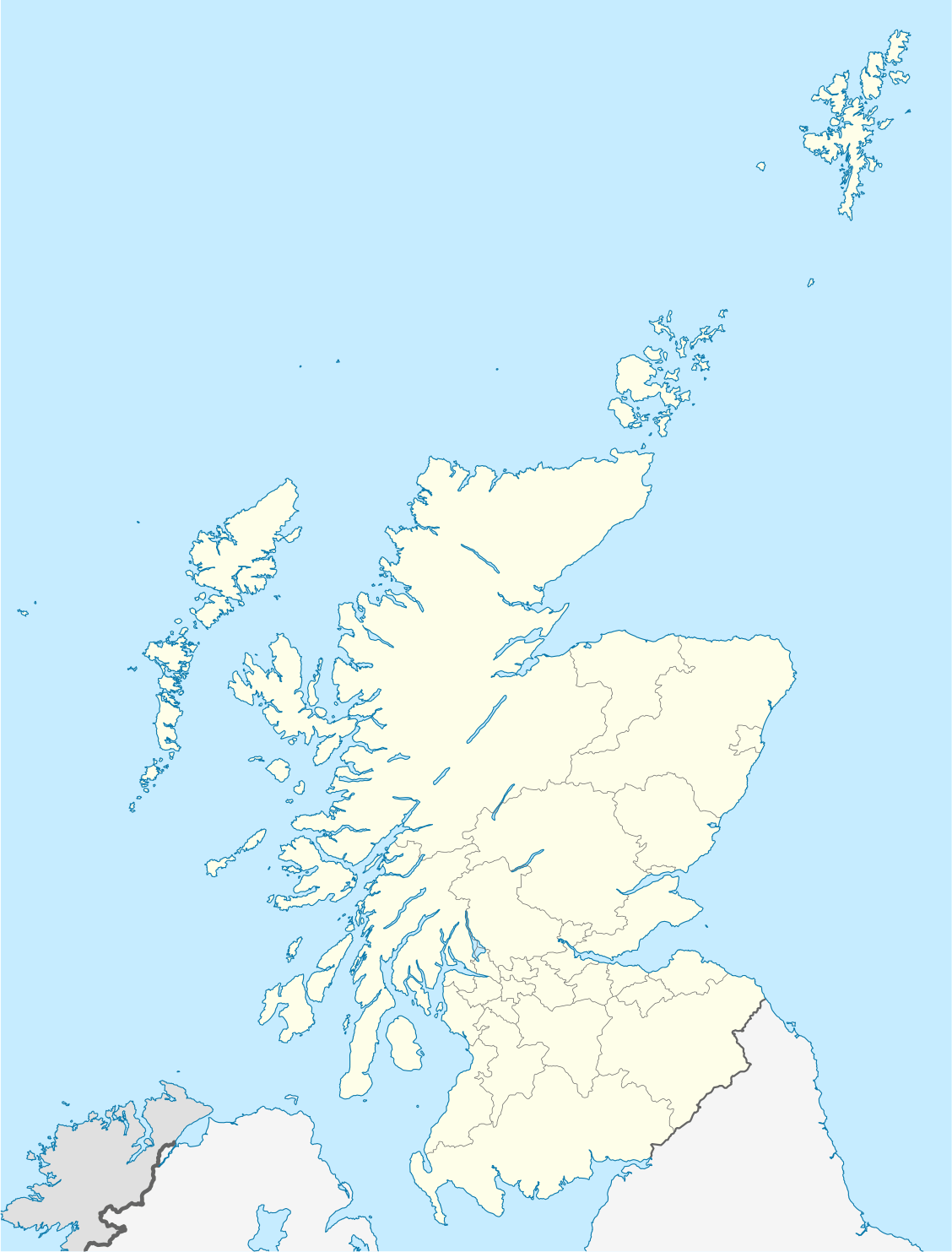

Short entry6.8 miles away
Blackcraig Wood
Newton Stewart (2 mi / 3.2 km) · Broadleaved woodland on steep coastal slopes
 the ai birderBirding near me
The AI Birder · one-page field sheet
Near Wigtown, Dumfries and Galloway, Scotland · DG8 9AF · DG8 9AF

Winter geese and swans · breeding waders in spring
Main lagoon viewing structure · Main lagoon accessible path · Wigtown harbour signposted path · Car-park edge public approach
Check current access, hide closures and operator notices before travelling. Seasonal birds are possibilities, not promised sightings. Keep to authorised routes and give wildlife space.
Opening and charges checked 2026-10-25. Operator: https://www.rspb.org.uk/days-out/reserves/crook-of-baldoon
Full guide and current source links: https://aibirder.co.uk/reserves/rspb-crook-of-baldoon
SC 46 · RSPB reserve guide
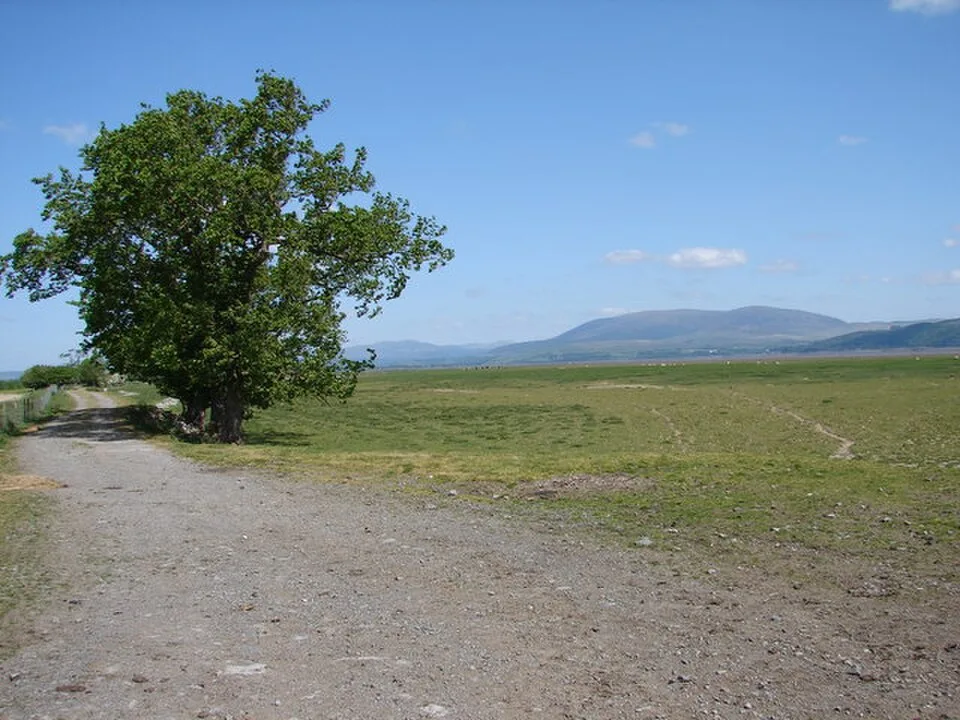
Near Wigtown, Dumfries and Galloway, Scotland · DG8 9AF
Wide saltmarsh and lagoon watching on Wigtown Bay, with the Galloway hills beyond.
Decide if the visit fits.
Last checked 18 October 2026.
Opening and charges information · checked .
Stay nearby →Reserve overview
Wide saltmarsh and lagoon watching on Wigtown Bay, with the Galloway hills beyond.
Eight checks for a smoother visit.
Conditions change: check the operator and transport notices before travelling.
January: December–March is the operator's stated wildfowl period. Use the signposted Wigtown harbour path for Pink-footed Goose, Barnacle Goose and Shelduck, keeping a telescope ready for distant birds. Do not leave the path to follow flocks across the merse.
February: Try the Wigtown harbour path for Whooper Swan and winter geese, then check the public approach trees for Redwing and Fieldfare. A change of wind can make the sheltered approach more comfortable than a long exposed scan over the mudflats.
March: Typically the last winter wildfowl overlap with spring birds. Watch geese and Shelduck from the harbour path, then inspect wet grassland from the main-lagoon structure for Lapwing and Redshank. Keep to visitor routes as breeding activity begins.
April: The main-lagoon viewing structure and accessible path give the appropriate public views for Lapwing and Redshank. Listen for Skylark and Meadow Pipit from the signposted harbour path. Wheatear is a typical passage aim; it is never guaranteed on a particular day.
May: Choose the lagoon structure for wet-grassland Lapwing and the accessible lagoon path for Redshank. Along the upper-merse route, listen for Skylark and Meadow Pipit. Birds carrying food or alarming are a reason to move away, rather than investigate the grass.
June: A summer visit is about the wet grassland and upper saltmarsh rather than winter goose flocks. Use the main-lagoon structure for Lapwing and Redshank and the harbour path for Skylark. Keep dogs close and give cattle and calves ample room.
July: Try the public approach for Linnet and Goldfinch, then pause beside the lagoon for Redshank. Skylark and Meadow Pipit can be sought from the upper-merse path. Keep a safe distance from livestock and avoid trampling the vegetation to improve a photograph.
August: Typically open-ground passage starts to alter the visit. The harbour path offers Wheatear and Meadow Pipit habitat, while the approach can hold Linnet or Goldfinch. Do not turn a bird's presence beyond the path into a route across tidal ground.
September: Look for a passing Wheatear from the upper-merse section of the Wigtown harbour path. The main-lagoon path provides a quiet place to assess wet-grassland activity. Use recent local observations to guide expectations, but do not assume an old record will repeat.
October: The accessible lagoon path offers an easy first assessment before an exposed harbour-path walk. Lapwing and Redshank are verified reserve birds, but their display season is over. No unsupported October goose arrival date is supplied; the operator's strongest wildfowl period starts in December.
November: Typically Redwing and Fieldfare make the public approach trees worth a patient check. Use the harbour path for a wider view of the merse, without assuming December's goose spectacle has already developed. Short daylight rewards one sheltered, well-lit watch.
December: Start the winter season from the signposted harbour path: Pink-footed Goose, Barnacle Goose, Shelduck and Whooper Swan are the operator's named aims. The car-park-edge trees can hold Redwing or Fieldfare. Keep off the flats even when the birds are distant.
Best conditions: Typically compare the rising tide with the lagoon before choosing a long exposed watch. Calm, clear weather is better for identifying distant wildfowl; wind and rain can make the accessible lagoon path the more practical choice. Choose a safe public stance with the light behind or to one side, without approaching resting flocks.
Crook of Baldoon is a wide-view reserve where the first decision is whether to watch the managed wetland or the tidal merse. Start at the main-lagoon viewing structure if you want a short, focused visit. The nearby accessible path gives another angle over the lagoon without committing to a longer exposed walk. For winter geese and swans, take the signposted path towards Wigtown harbour and settle into a patient scan of the saltmarsh and channels. A telescope helps when birds remain distant. Check the approach trees as well: winter thrushes offer a different kind of watching from the open shore. This is working grazing country, so leave space for cattle and calves, keep access clear and change your route if livestock make the path awkward. The winter spectacle depends on birds and conditions, rather than a promised count.
Access times: Reserve: RSPB lists the reserve open 24 hours, subject to local restrictions and safe conditions. · Hides: The operator lists a main-lagoon viewing structure, not a staffed visitor centre; no separate door-locking schedule published. · Car park: No separate gate schedule verified. RSPB prohibits overnight parking from 1 March to 31 August. · Dawn access: partly. Operator opening information.
The reserve rewards slow observation across open ground rather than a race around a long hide circuit. Start beside the large lagoon, using the defined path to settle into the scale of the site. Look at nearby water first, then the saltmarsh and finally the more distant bay; this order avoids spending your entire visit trying to identify shapes at the limit of your optics. The path signposted towards Wigtown harbour provides a second direction of travel, but choose it according to the weather, your footing and the group's energy. Leave grazing cattle and calves a generous space, and never pass between a cow and her calf. Two-hour plan, editorial suggestion: begin with a patient lagoon session, take a short pause to compare calls from the grassland, then use a manageable section of the established path for a wider estuary view. Return along the same route rather than looking for a shortcut across the merse. Finish with another brief lagoon scan; a different viewing angle or changing light may reveal birds you overlooked initially. Full-day plan, editorial suggestion: watch the reserve in the morning, take lunch and a toilet break in Wigtown, and return for a contrasting tide or light angle. Use the second session to study a few species in detail, especially feeding methods and the relationship between water depth and bird size. If rain or strong wind prevents sustained watching, shorten the exposed portion and spend the remaining time in town. A satisfying day here comes from seeing the bay change, without needing to cover a large walking distance. For a beginner, the lagoon is a useful place to practise a repeatable scan: first the near margin, then open water, then the far edge and sky. Record which birds are feeding and which are resting before trying to estimate a flock. Return to the same viewing position later and compare the pattern, allowing for the changed tide and light rather than assuming every difference is a new arrival.
Use the linked reserve map and directions with current access notices. Species are typical seasonal targets. Light and telescope advice reflects our choice of viewpoint.
Managed lagoon and wet grassland
Operator-confirmed structure reached by a short wheelchair-suitable path.
Spring: Lapwing, Redshank
Summer: Lapwing, Redshank
Light: either. Scope: useful.
Lagoon margins and nearby wet grassland
Operator describes a 300 m wheelchair-suitable path beside the entrance-road lagoon.
Spring: Lapwing, Redshank
Autumn: Lapwing, Redshank
Light: either. Scope: useful.
Bladnoch-side saltmarsh, mudflat and upper merse
Compacted rubble/stone path and kissing gate; keep clear of cattle and calves.
Winter: Pink-footed Goose, Barnacle Goose, Whooper Swan, Mute Swan, Shelduck
Spring: Wheatear, Meadow Pipit, Skylark
Summer: Meadow Pipit, Skylark
Light: either. Scope: essential.
Tide: Typically compare the incoming tide with the remaining visible feeding edge; never cross tidal channels.
Approach trees, scrub and upper saltmarsh edge
Use the public approach and avoid blocking the entrance or working access.
Winter: Redwing, Fieldfare
Spring: Linnet, Goldfinch
Summer: Linnet, Goldfinch
Light: either. Scope: not needed.
| Spot | Overlooks | Key species by season | Best light | Scope | Tide |
|---|---|---|---|---|---|
| Main lagoon viewing structureOperator-confirmed structure reached by a short wheelchair-suitable path. | Managed lagoon and wet grassland | Spring: Lapwing, Redshank Summer: Lapwing, Redshank | either | useful | — |
| Main lagoon accessible pathOperator describes a 300 m wheelchair-suitable path beside the entrance-road lagoon. | Lagoon margins and nearby wet grassland | Spring: Lapwing, Redshank Autumn: Lapwing, Redshank | either | useful | — |
| Wigtown harbour signposted pathCompacted rubble/stone path and kissing gate; keep clear of cattle and calves. | Bladnoch-side saltmarsh, mudflat and upper merse | Winter: Pink-footed Goose, Barnacle Goose, Whooper Swan, Mute Swan, Shelduck Spring: Wheatear, Meadow Pipit, Skylark Summer: Meadow Pipit, Skylark | either | essential | Typically compare the incoming tide with the remaining visible feeding edge; never cross tidal channels. |
| Car-park edge public approachUse the public approach and avoid blocking the entrance or working access. | Approach trees, scrub and upper saltmarsh edge | Winter: Redwing, Fieldfare Spring: Linnet, Goldfinch Summer: Linnet, Goldfinch | either | not needed | — |
Month chips show typical presence or our preferred viewing season. Choose birds that suit the time of your visit.
Use nearby Garlieston predictions as broad estuary planning context, not as a crossing window for the merse. Birds move with the water; lagoon levels may differ. No operator minimum height was verified.
The RSPB describes a roughly 300-metre path beside the large lagoon as suitable for wheelchairs. This is the useful first option when you need a shorter outing. The separate compacted rubble-and-stone route towards Wigtown harbour is reached through a kissing gate, so its entrance and surface need consideration before you commit to the longer line. Ask the reserve team about the current gate arrangement and whether it suits your chair, scooter or pushchair dimensions. The car park is described as firm and flat, with bare and grassed areas; the approach road is single-track and can have potholes. There are no reserve toilets, including no accessible toilet: the RSPB directs visitors to Wigtown, about four miles away. Plan that comfort break before arriving rather than adding it only when someone needs it urgently. On an open estuary, cold and wind may determine the useful length of a visit more than distance. Keep a warm layer accessible in the vehicle, use a stable viewing position and leave room for other people to pass your telescope.
Bring your own food and drink for the reserve. Wigtown is the practical place for refreshments and toilets between sessions, and it also makes a useful base when different members of a party want different lengths of time outdoors. Pack layers for standing still on exposed ground rather than clothing only for active walking. A small waterproof notebook helps you compare the lagoon and bay observations later. Barbecues are prohibited by the RSPB, and all litter should leave with you.
The RSPB welcomes responsible dog access under the Scottish Outdoor Access Code. Keep dogs close, preferably on a short lead, around livestock and during the breeding season of 1 April–15 August. Cattle and calves graze the merse, so give them room and choose a different route if necessary. Visitors with assistance dogs are welcome at RSPB Crook of Baldoon.
The final approach is along Shell Road near Wigtown. Follow the RSPB's location instructions carefully, because the public road becomes a narrow track and the last section is not a place for hurried passing. Allow a little extra arrival time for that approach, and avoid blocking farm entrances while checking a map. For a car-free visit, use the council's current bus information to plan travel to Wigtown, then arrange a taxi for the reserve leg and the collection afterwards. The visitor site is outside the town and a bus to Wigtown is not a direct reserve service. Stranraer is a possible ScotRail gateway for a wider Galloway trip, but onward travel needs planning as a separate journey. Check the last usable return before leaving your accommodation; rural Sunday and evening options can differ substantially from a weekday pattern.
Useful bases for an early start.
Booking.com links are affiliate links: we may earn a commission at no extra cost to you. How these links work.
About 3.7 miles by road, roughly 13 minutes’ drive to Crook of Baldoon car park; OSRM/OpenStreetMap estimate measured 18 October 2026. The drive from Wigtown leaves parking and the final walk to RSPB Crook of Baldoon to be added separately.
Measured driving route · 2026-10-18. Map estimates exclude live traffic.
Keeping lunch and comfort breaks close to the reserve.Find places to stay in Wigtown on Booking.comAbout 10.2 miles by road, roughly 23 minutes’ drive to Crook of Baldoon car park; OSRM/OpenStreetMap estimate measured 18 October 2026. The drive from Newton Stewart leaves parking and the final walk to RSPB Crook of Baldoon to be added separately.
Measured driving route · 2026-10-18. Map estimates exclude live traffic.
A wider Galloway itinerary with a town base.Find places to stay in Newton Stewart on Booking.comAbout 10.5 miles by road, roughly 23 minutes’ drive to Crook of Baldoon car park; OSRM/OpenStreetMap estimate measured 18 October 2026. The drive from Whithorn leaves parking and the final walk to RSPB Crook of Baldoon to be added separately.
Measured driving route · 2026-10-18. Map estimates exclude live traffic.
Exploring the southern Machars as well as Wigtown Bay.Find places to stay in Whithorn on Booking.comExplore Dumfries and Galloway’s full guides and smaller birding sites
Contact the RSPB at crookofbaldoon@rspb.org.uk or 01776 840539 for reserve-specific questions. Give the date, party size and intended route when asking about access, and include equipment dimensions if a gate may affect your visit. The official address uses Shell Road, Newton, DG8 9AF; follow the linked location page for the final track rather than relying solely on a postcode centroid. Use the reserve contact for practical matters and submit sensitive wildlife information privately, without publishing breeding locations.
Check SOC accepted Scottish bird records. periodic batches; includes a 2024 Crook record accepted in 2026 Reports show what has been seen, not what will be.
Follow the BTO Birders’ Code and give wildlife space.
RSPB Crook of Baldoon: Free reserve entry and parking.
RSPB Crook of Baldoon: The RSPB welcomes responsible dog access under the Scottish Outdoor Access Code.
RSPB Crook of Baldoon: Winter geese and swans · breeding waders in spring.
RSPB Crook of Baldoon: The RSPB describes a roughly 300-metre path beside the large lagoon as suitable for wheelchairs.
RSPB Crook of Baldoon: The final approach is along Shell Road near Wigtown.
Shorter stops within 15 miles in a straight line. Use the operator’s arrival directions for the journey.
Newton Stewart (2 mi / 3.2 km) · Broadleaved woodland on steep coastal slopes
Dromore, near Gatehouse of Fleet · Upland moor, crags, farm ground and woodland fringes
Gatehouse of Fleet (2 mi / 3.2 km) · Semi-natural broadleaved woodland
Nearby complete guides.
Stops with a purpose: use one as a contrasting habitat or weather-proof Plan B. Distances are straight-line estimates, not road journeys.