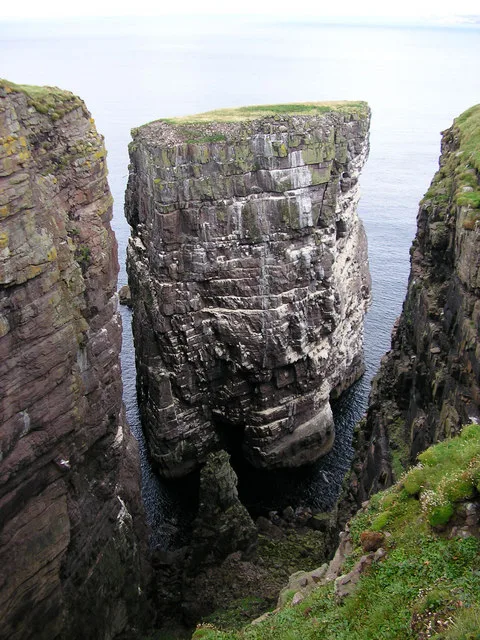
Our choice for a first Scottish island birding holiday is one island group with enough time to settle in. Decide whether you want breeding seabirds, winter geese, migration or a broader landscape visit, then choose the season and transport. Trying to combine several distant groups can turn the holiday into a sequence of terminals. A week spent learning one island often gives better watching and a calmer experience than an ambitious collection of short landings.
Distinguish a day excursion from a holiday island. Bass Rock and Scottish Seabird Centre and Isle of May National Nature Reserve are Forth options that can fit a mainland stay. Handa Island is another day-visit model from the mainland. Their guides explain boat products, landing access and the public routes. Choose those when you want an island experience without moving all your accommodation across the sea.
Mull, Lunga and Coll: choose a workable base
For a west-coast holiday, compare Isle of Mull white-tailed eagles with Lunga and the Treshnish Isles to see how a settled island base and a booked boat excursion can complement each other. Keep eagle watching within the official viewing or operator-run arrangements described in the guide. Avoid building the day around private nesting locations. Choose accommodation according to the actual excursion departure, not simply the nearest point on a map.
RSPB Coll is a different island commitment, so decide whether it deserves its own stay rather than adding it to a crowded Mull itinerary. Read CalMac’s current route information and booking arrangements before fixing accommodation. Include the transfer from the arrival port to your base, particularly without a car. A ferry ticket secures one stage of the journey; it does not solve a late arrival at a distant room.
Islay and the Outer Hebrides need their own trip shape
RSPB Loch Gruinart and RSPB The Oa are the reserve guides to begin with for Islay. Choose a base that makes both the road journeys and the planned watching comfortable. The Islay winter trip gives a seasonal structure, including the need to organise the crossing. Keep a flexible day within the stay and choose public viewpoints rather than trying to follow individual geese or raptors across private ground.
RSPB Balranald offers an Outer Hebrides alternative. Treat that island group as a destination with its own travel plan, rather than a casual extension to another archipelago. Compare the available ferry or flight journey with how much time you can spend there after arrival. A longer outward journey can be worthwhile when the stay is unhurried, but less appealing when most of a short break would be consumed by transport.
Orkney: distinguish Mainland from the outer islands
On Orkney Mainland, begin with RSPB Marwick Head and RSPB Cottascarth and Rendall Moss. These guides help you plan contrasting reserve visits without an inter-island crossing. RSPB Hoy and RSPB Noup Cliffs add separate island travel decisions. Use the Orkney birding week for an itinerary that leaves time for those connections, and read Orkney Ferries’ live timetable and booking instructions for the actual date.
North Ronaldsay Bird Observatory calls for another level of planning around island transport and accommodation. Arrange the parts together rather than buying an arrival ticket first and hoping the rest fits. A day trip and an observatory stay have different requirements. Ask the relevant operator and accommodation provider about your intended connection, then allow for disruption without placing the final journey home immediately after a weather-sensitive island leg.
Shetland: keep Mainland days flexible
RSPB Sumburgh Head and RSPB Loch of Spiggie are Shetland Mainland choices to compare through their guides. RSPB Mousa adds a separately operated boat visit, with daytime and evening products requiring different planning. Keep that excursion on a day when you can respond to the operator’s current sailing advice. An evening trip also affects how comfortably you can drive or travel afterwards, so consider the whole night before booking.
Fair Isle Bird Observatory is a distinct island stay rather than a quick addition to a Mainland circuit. Plan transport and accommodation together and discuss connections directly. The guide links the practical arrangements and the observatory’s information. Leave space at the end of the holiday for a disrupted return. Our preference is to protect that margin even when it means one fewer planned destination; the quieter final day can be excellent birdwatching in its own right.
Ferries: reserve the journey that controls the holiday
Use CalMac for relevant west-coast routes, NorthLink for its Northern Isles crossings and the appropriate local operator for inter-island travel. NorthLink publishes route, cabin and booking information; Orkney Ferries provides its own island availability and booking system. Shetland Islands Council publishes local ferry information separately. Keep those stages distinct in the itinerary so that each booking, check-in and return arrangement is easy to find.
If taking a vehicle, enter its details accurately and confirm any equipment that changes dimensions. Read the operator’s boarding and check-in instructions rather than transferring a rule from another route. For an overnight crossing, decide whether the available seating or cabin arrangement suits your needs before fixing an onward driving day. Keep essential medication, warm layers and overnight items in a small bag you can manage during the crossing.
Flights: plan luggage and the final transfer
Flying can be a useful alternative for some island trips, but compare the whole journey rather than airtime alone. Use the airline’s current timetable, baggage conditions and assistance information for the route you want. Loganair publishes its route and booking information directly. Optical equipment, batteries and a tripod may affect packing decisions; check the relevant airline requirements before arriving with a bag that cannot travel as planned.
Arrange transport from the island airport and the return trip to it. A flight arrival does not establish that a bus meets it or that a hire car will be available. If travel assistance is needed, discuss the exact journey with the providers before buying inflexible bookings. Leave time after landing to collect luggage and travel at a sensible pace. An ambitious first afternoon is usually less valuable than arriving comfortably and settling into the place.
Booking windows: follow the operator and the year
Use an operator’s announcement for any future booking-opening date and keep the year attached to it. A previous summer’s release date should never become next year’s advice. If a calendar is not yet available, plan the broad trip shape and compare flexible accommodation terms while waiting for the actual transport information. The reserve guides hold specific booking notices where a published announcement exists.
Book the critical legs in a sensible sequence: transport and accommodation together, then the excursions that depend on them. Keep confirmation numbers and cancellation terms in one place, with an offline copy for travel. A booked cruise, a ferry vehicle space and a room may each have different conditions. Understanding those differences before payment makes it easier to respond calmly if a sailing changes or a landing cannot take place.
Weather contingency is part of a good island holiday
Leave uncommitted time around the most important excursion and before the final onward journey. Ask yourself what you would enjoy if the boat could not sail: a sheltered public viewpoint, a shorter walk or time studying familiar birds. A contingency day should still feel like a holiday. It works best when you already know a worthwhile local option rather than discovering it while disappointed at a harbour.
Use the operator’s current service status and the local forecast before setting out. Never pressure a skipper or improvise a private crossing because a booked excursion is cancelled. On land, shorten exposed walks when wind or visibility makes them uncomfortable. Carry food and warm clothing suitable for the actual route. Let weather change the order of the trip instead of measuring the holiday against an inflexible list written at home.
Island fieldcraft and the next planning step
Stay on authorised routes, follow ranger briefings and keep away from sensitive nests, leks and roosts outside official viewing arrangements. Clean footwear and equipment as instructed before island transfers, and protect bags from contamination when waiting to board. Take litter home and keep food secure. Wildlife and island communities share a small space with visitors, so leave access, roads and working areas clear.
Choose your next guide from the island group that best fits the season and time available. Compare seabird trips, Puffins, winter big skies and responsible sightings. A well-planned island holiday leaves room to notice ordinary birds, changing light and the character of a place. Those are often the experiences you remember most clearly after the travel details have faded.
Trip planning advice
The suggested durations are a comfortable starting shape, rather than a minimum stay. Extend them if you prefer short walks, need more rest, or are depending on ferries. A birding week around Orkney asks different questions from three London wetland days: accommodation and inter-island travel matter as much as the choice of viewpoint. Use the trip’s detailed day plan to decide what you can remove if weather or fatigue changes the pace.
For winter reedbeds, look at the Somerset Levels plan and RSPB Ham Wall, then compare the wider landscape with the reedbed classics collection. On Morecambe Bay, RSPB Leighton Moss makes a useful focus for a trip built around trains. Keep estuary viewpoints and rail connections in balance: staying until the last light is less attractive if the return journey no longer works. These trips reward repeat observation, including the small changes in feeding behaviour that become apparent when you remain in one place.
Pembrokeshire requires especially careful booking choices because Skomer, Ramsey and Skokholm have different visit arrangements. Compare the relevant reserve guides and keep a mainland alternative in the diary. The Orkney week gives ferries and inter-island travel enough space to shape the route. Our recommendation for either region is to book accommodation with transport in mind, then avoid a schedule that depends on every crossing running exactly as hoped. A spare day can be more valuable than another distant stop.
For a different season, Islay in winter centres on open landscapes and winter birds. RSPB Loch Gruinart and RSPB The Oa make complementary reading, with the ferry journey forming part of the plan from the start. Think about where you will sleep, where you will collect food and how you will reach the island before filling each day with wildlife targets. The Scottish island planning journal brings those decisions together for readers comparing Islay with a more complex island holiday.
A car-free version of a rural trip may mean using one base, omitting isolated stops and booking a taxi in advance. Be clear about that choice before reserving accommodation. Put water, food and a warm layer in your day bag, and save essential directions where they remain available without reception. Finish by selecting a weather fallback that uses the same transport base. A sheltered wetland can rescue a windy day far more effectively than attempting a long exposed transfer just to preserve the original checklist.
Speyside and the Cairngorms suits a longer stay with room for contrasting woodland, wetland and coast. Use RSPB Loch Garten and RSPB Insh Marshes as starting points for deciding what you want to understand, then read the itinerary’s access notes before choosing further stops. Sensitive species are watched only through authorised routes and established facilities. An independent trip should never turn into a search for unofficial nest or lek directions.
Choose an island group first. No inter-island driving estimate is supplied. Ferries, flight check-in, waiting and onward walking are additional; reserve several days rather than linking islands as adjacent road destinations.
Where to stay for this birdwatching trip
Some links earn us a small commission at no extra cost to you. Bases are geographical suggestions, with no claim of property inspection or availability.
Bowmore
Bowmore for an Islay stay combining Loch Gruinart and The Oa by island roads.
RSPB Loch Gruinart: approximately 17 minutes / 9.5 miles by road. Measured 2026-10-18; excludes traffic, parking and walking. Open road directions
About 9.5 miles by road, roughly 16 minutes’ drive to the reserve on Islay; ferry travel is additional. OSRM measured the Bowmore journey for RSPB Loch Gruinart on 18 October 2026; the estimate excludes live traffic.
Stromness for Orkney Mainland watching; other islands require separate ferries.
RSPB Marwick Head: approximately 23 minutes / 11.8 miles by road. Measured 18 October 2026; excludes traffic, parking and walking. Open road directions
About 11.8 miles by road, roughly 23 minutes' drive (OSRM estimate, measured 18 October 2026; not live traffic).
Lerwick for Shetland Mainland outings and separately planned boat/ferry connections.
RSPB Sumburgh Head: approximately 42 minutes / 26.0 miles by road. Measured 18 October 2026; excludes traffic, parking and walking. Open road directions
About 26.0 miles by road, roughly 42 minutes' drive (OSRM estimate, measured 18 October 2026; not live traffic).